Summer is a busy season for pollinators, but it can also be one of the most challenging. Long periods of hot, dry weather can reduce access to water and make it harder for insects to find the food and shelter they need. The good news? A few simple actions can make a big difference.
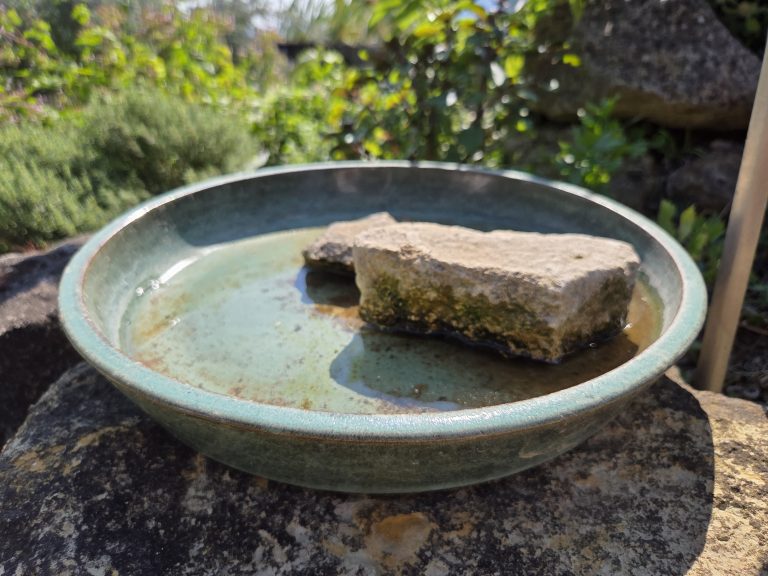
Just like us, pollinators need water. During dry spells, bees, butterflies, hoverflies and other insects can struggle to find safe places to drink. Unfortunately, deep containers can become traps, causing insects to drown. Providing a shallow dish of water filled with stones or moss allows insects to land safely while drinking¹. Refresh the water regularly to keep it clean and prevent mosquito breeding.
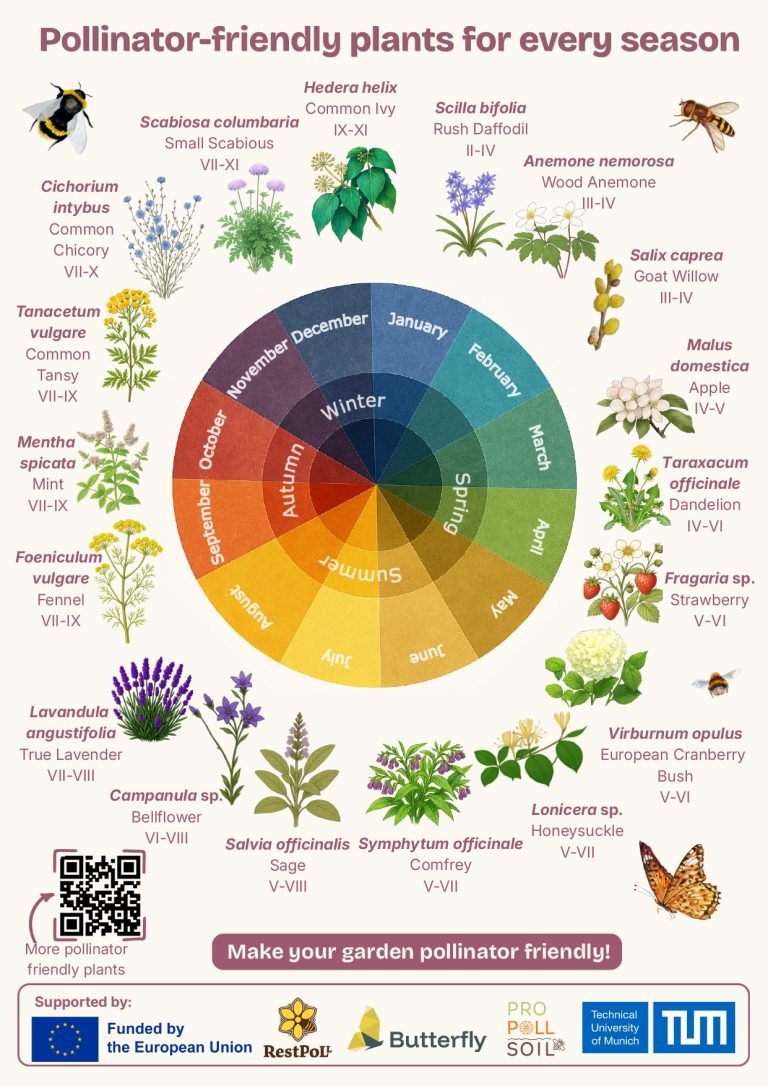
Many gardens are full of flowers in early summer, but food sources can become scarce later in the season. Pollinators benefit from a variety of nectar- and pollen-rich plants that flower throughout summer and into autumn. Species such as lavender, verbena, salvia, thyme, oregano, and other pollinator-friendly flowers can provide valuable resources when insects need them most. Planting flowers in clusters rather than individually also makes them easier for pollinators to find. You can find a list of pollinator-friendly plants here.
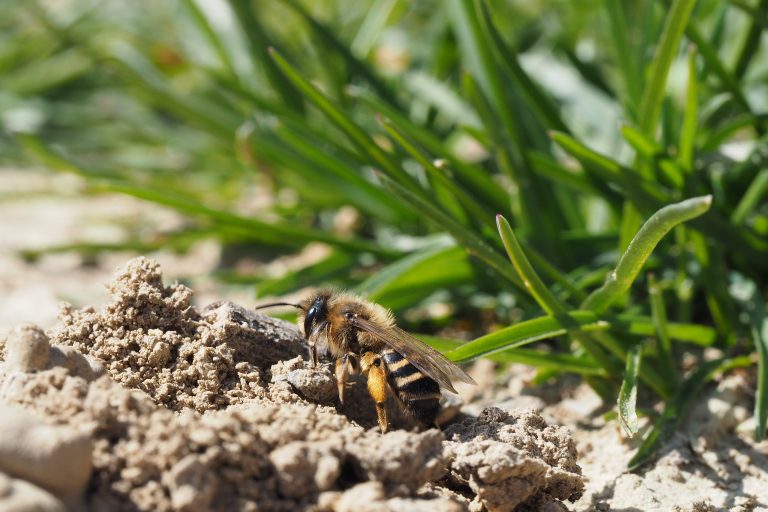
Not only are flowers important for pollinators but also soil and dead plant material. Bare patches of soil can provide nesting sites for solitary bees, while long grass, hollow stems, leaf litter, and undisturbed corners offer shelter for many insects throughout their life cycles. Leaving part of your garden a little wilder can create valuable habitat with very little effort. Learn more about research on understanding, managing, and protecting soil-dependent pollinators here.
Many pesticides can unintentionally harm pollinators, even when targeting other insects. Choosing non-chemical alternatives, reducing pesticide use and spraying during the evening can help create a safer environment for bees, butterflies, hoverflies, and other beneficial insects.
Supporting pollinators doesn’t require a large garden. A balcony planter filled with flowering herbs, a small water dish with stones, or a patch of unmown grass can all provide valuable resources. By making our outdoor spaces a little more pollinator-friendly, we can help these important species thrive throughout the summer months. Check out some individuals that may be in your backyard here.
After all, many of the foods and wildflowers we enjoy depend on pollinators—and pollinators depend on us.