
Denmark
Aarhus University (AU)

Partners from the Aarhus University (AU) oversee leading WP 4: Enabling conditions for long-term pollinator restoration and Living Labs, including Tasks 4.2: Determine inconsistencies between promise and performance of policy designs for pollinator restoration and 4.3: Build foundations for successful co-design of pollinator restoration and provide case study and living lab areas.

Claus Rasmussen

Jonna Løvlund Bach

Martin Hvarregaard Thorsøe

Sean Birk Bek Craig
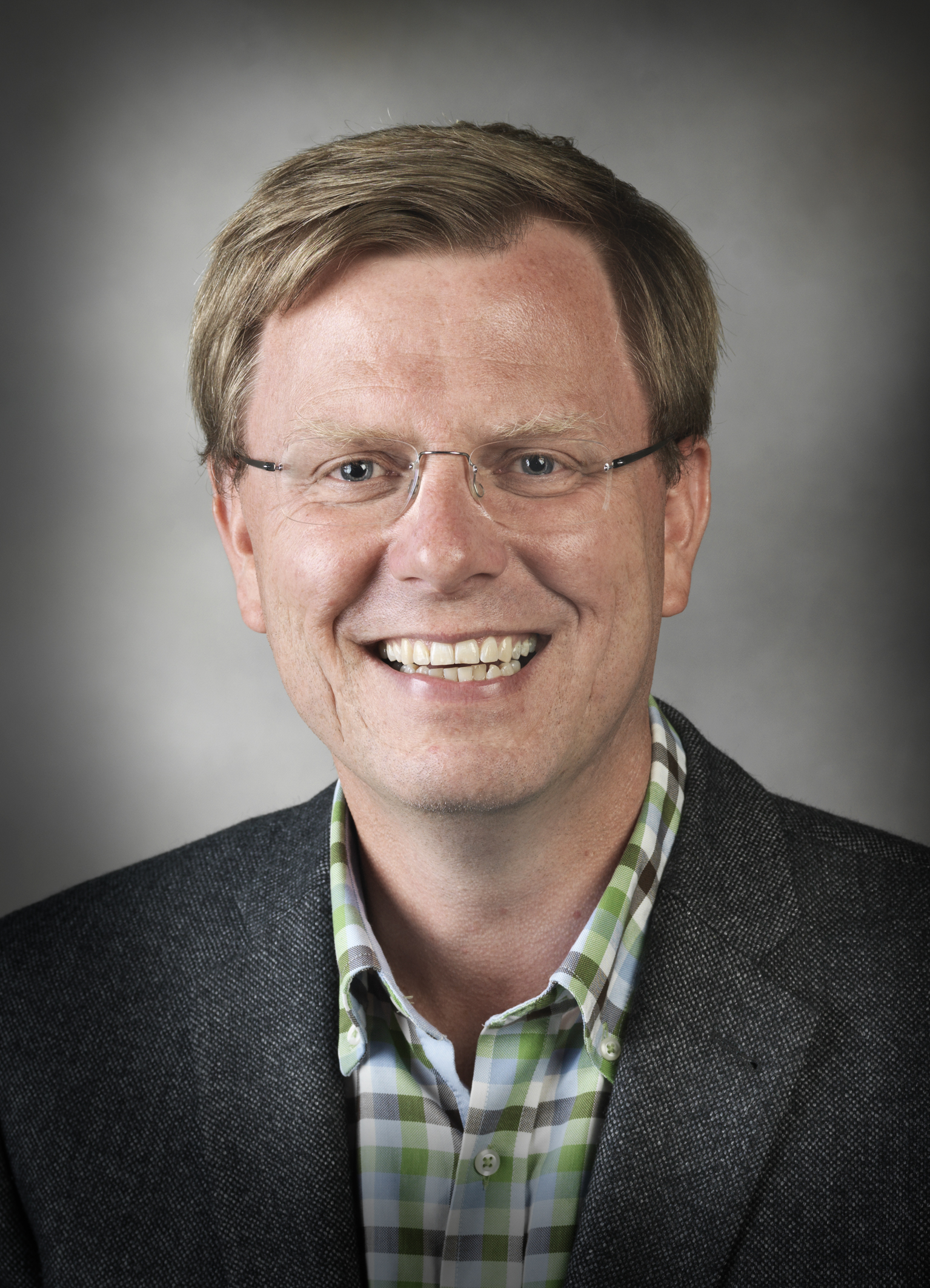
Tommy Dalgaard

France
Association de Developpement, d'Amenagement et de Services en Environnement et en Agriculture du Gers (adasea32) (ADASEA DU GERS)

Association de Developpement, d'Amenagement et de Services en Environnement et en Agriculture du Gers (adasea32) (ADASEA DU GERS) provides case study and living lab areas.

Aurélie Belveze
Benjamin Long
Claire Lemouzy
Myléne Dutaut
Nathalie Benat
École nationale supérieure de formation de l'enseignement agricole (ENSFEA)
Partners from École nationale supérieure de formation de l'enseignement agricole (ENSEFA) oversee leading WP 3: Assessing socio-economic co-benefits, barriers, and incentives for pollinator restoration, including Tasks 3.1: Assess the perception of potential adopters of RestPoll restoration measures in case-study areas and 3.2: Develop a novel instrument based on Payments for Restoration-mediated Pollination Services (PRPS), along with 6.4: Support trans- and multi-disciplinary training, networking events and teaching material for various stakeholder groups and provide case study and living lab areas.
Jean-Pierre Del-Corso

Jérémy Giroud
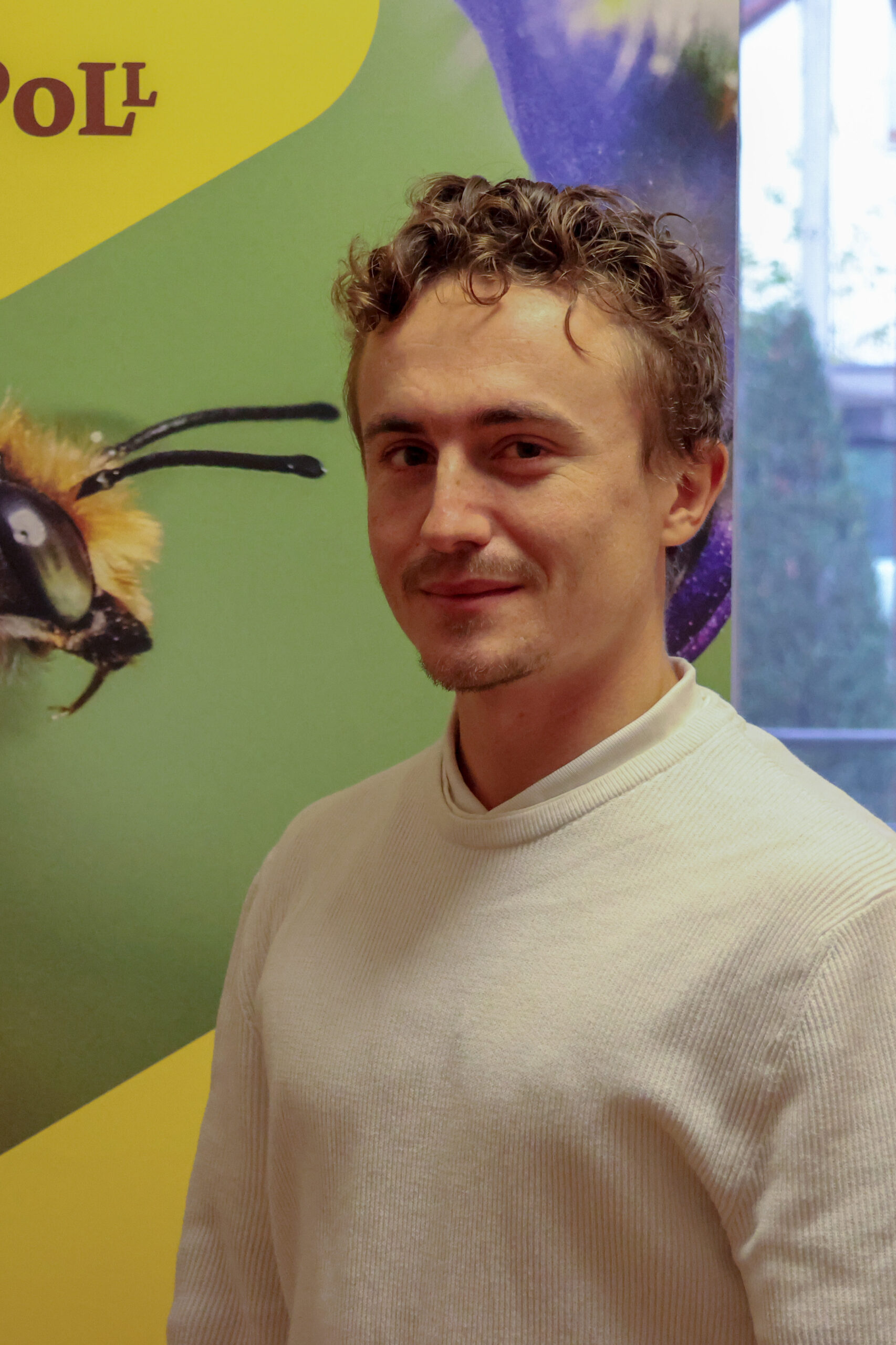
Mattis Cherdon
Nicola Gallai
French National Institute for Agriculture, Food, and Environment (INRAE)

Partners from French National Institute for Agriculture, Food, and Environment (INRAE) provide case study and living lab areas.
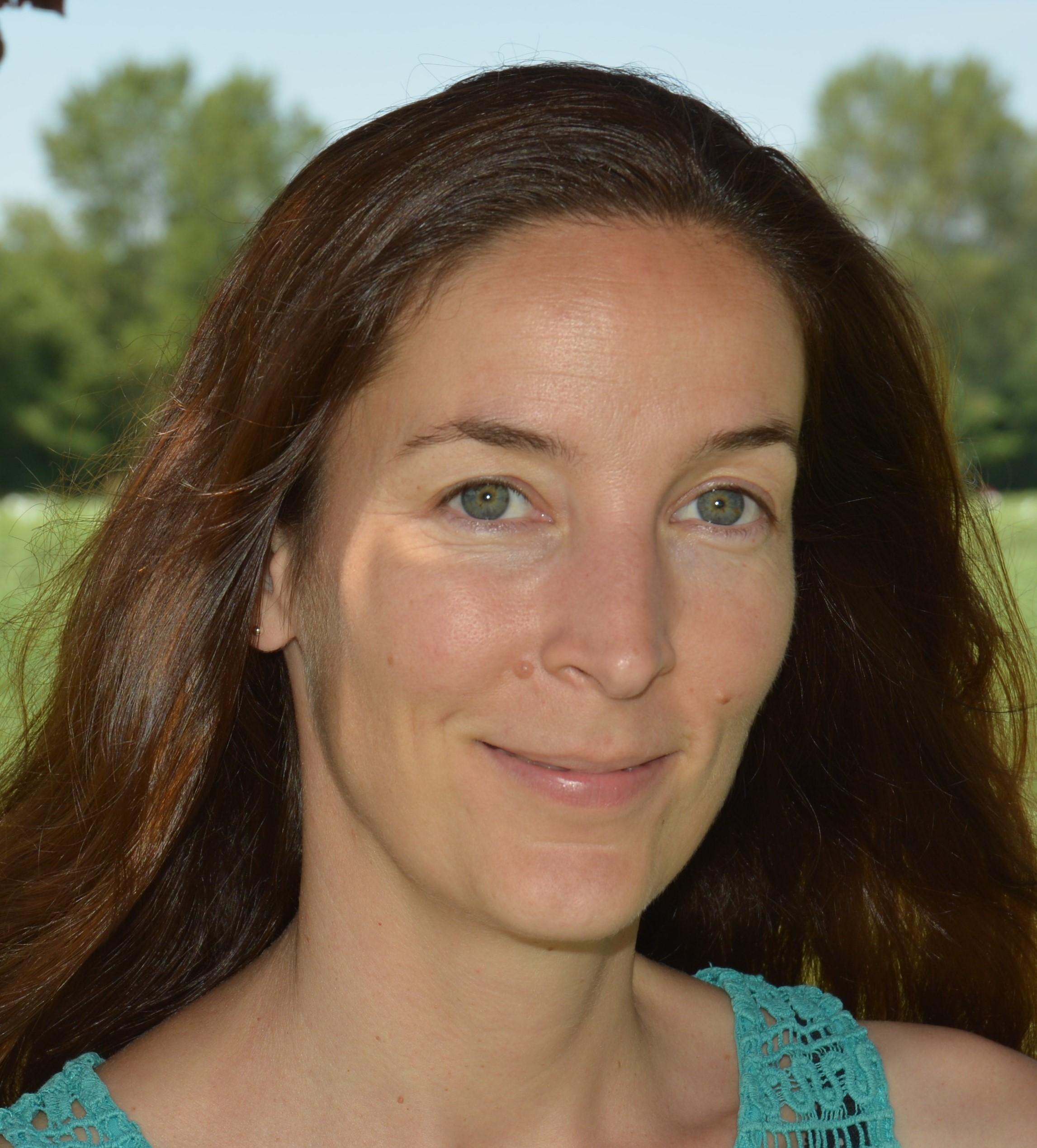
Clelia Sirami
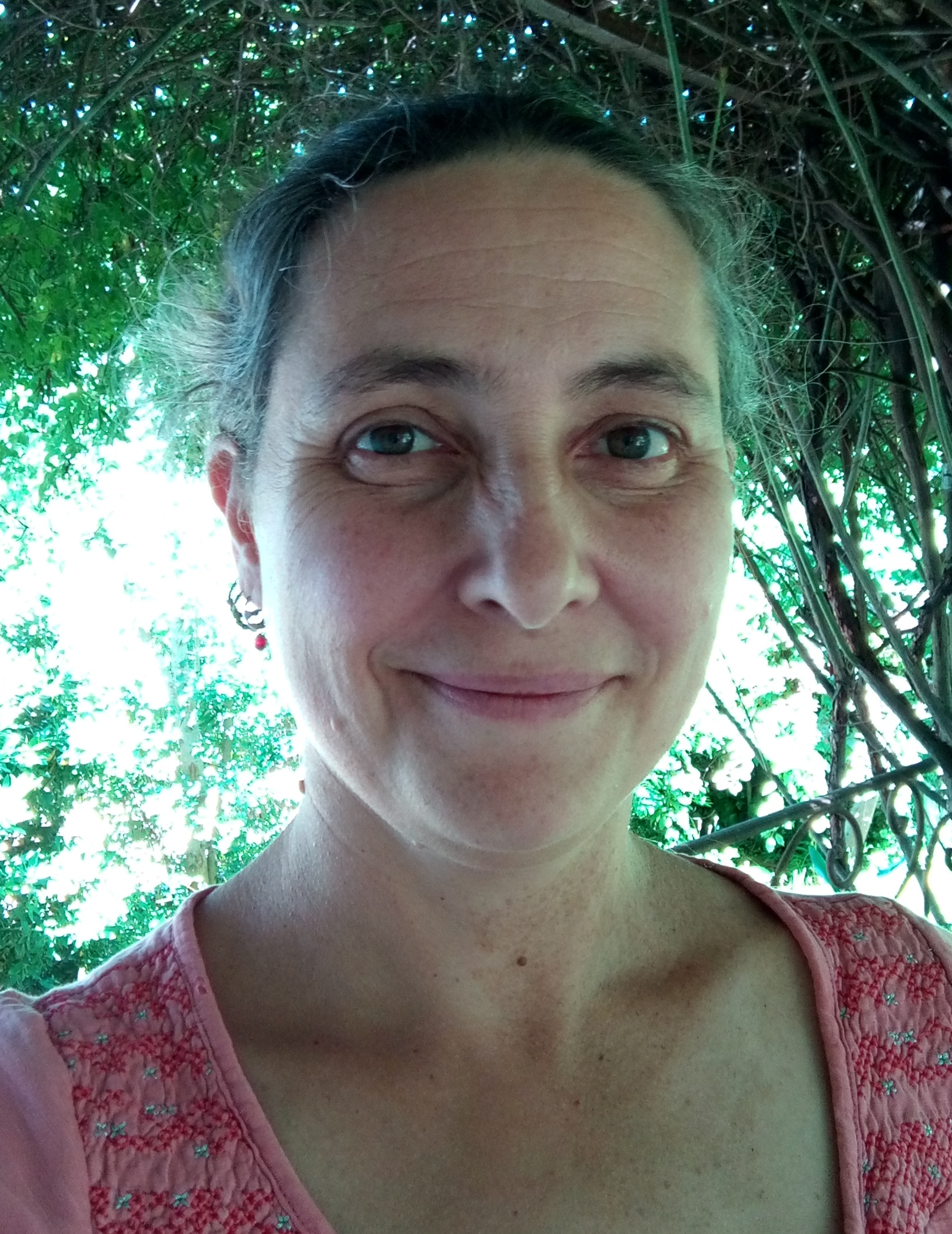
Emilie Andrieu
Magalie Pichon
International Center for Advanced Mediterranean Agronomic Studies (CIHEAM-IAMM)

Partners from International Center for Advanced Mediterranean Agronomic Studies (CIHEAM-IAMM) oversee Taks 2.4: Assess co-benefits of pollinators restoration measures, 3.3: Assess direct and indirect impacts of restoration measures on bio-economy, and 4.1: Establish Living Labs (LL) and provide case study and living lab areas.

Faidra Kanonarchi

Georgios Kleftodimos

Paulo Prosperi

Tristan Berchoux
Yasmine Blili

Zehra Basaran
Toulouse Institute of Technology (INPT)

Partners from Toulouse Institute of Technology (INPT) oversee Task 1.2: Standardise survey and pollination experiments and integration to long-term monitoring of wild pollinators and provide case study and living lab areas.

Amandine Acloque
Annie Ouin
David Sheeren
François Calatayud
Mélodie Olivier

Germany
Baden-Württemberg Ministry for Rural Affairs, Agriculture and Regional Identity (MLR-BW)

The Baden-Württemberg Ministry for Rural Affairs, Agriculture and Regional Identity (MLR-BW) provides case study and living lab areas.
Matthias von Wuthenau
Baden-Württemberg Ministry for the Environment, Climate and Energy Sector (UM-BW)

The Baden-Württemberg Ministry for the Environment, Climate and Energy Sector (UM-BW) provide case study and living lab areas.

Katharina Schumann
Helmholtz-Centre for Environmental Research (UFZ)

Partners from Helmholtz-Centre for Environmental Research (UFZ) oversee Task 2.3: Identify synergies and opportunities for improvements of current restoration implementations and provide case study and living lab areas.
Christophe Dominik

Hanna Honchar
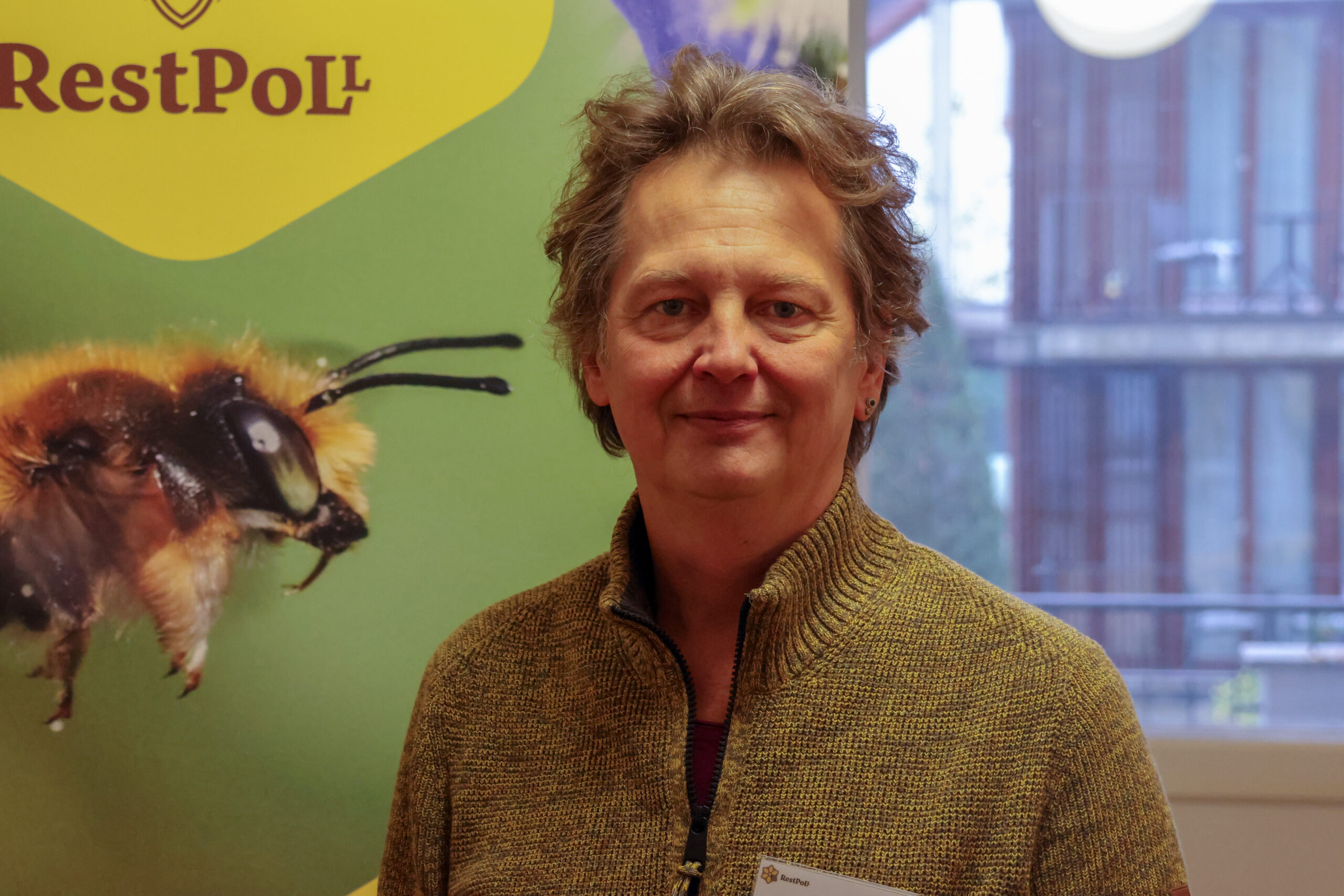
Oliver Schweiger
Technical University of Munich (TUM)

Partners from Technical University of Munich (TUM) oversee Task 2.1: Review the effects of restoration measures on pollinators and 6.3: Develop specific tools and actions to enable social engagement and provide case study and living lab areas.

Marielle Schleifer
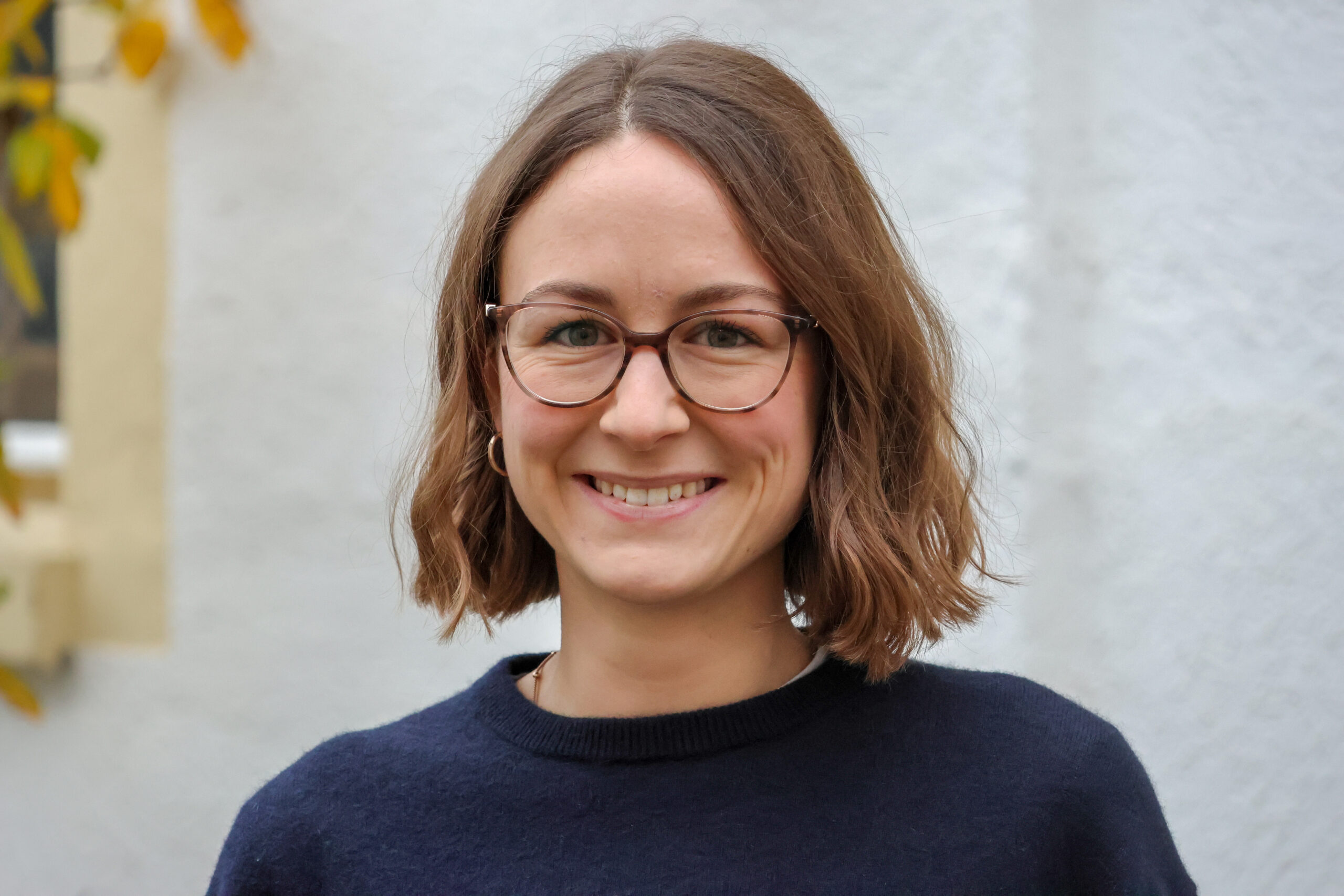
Paula Prucker

Sara Diana Leonhardt
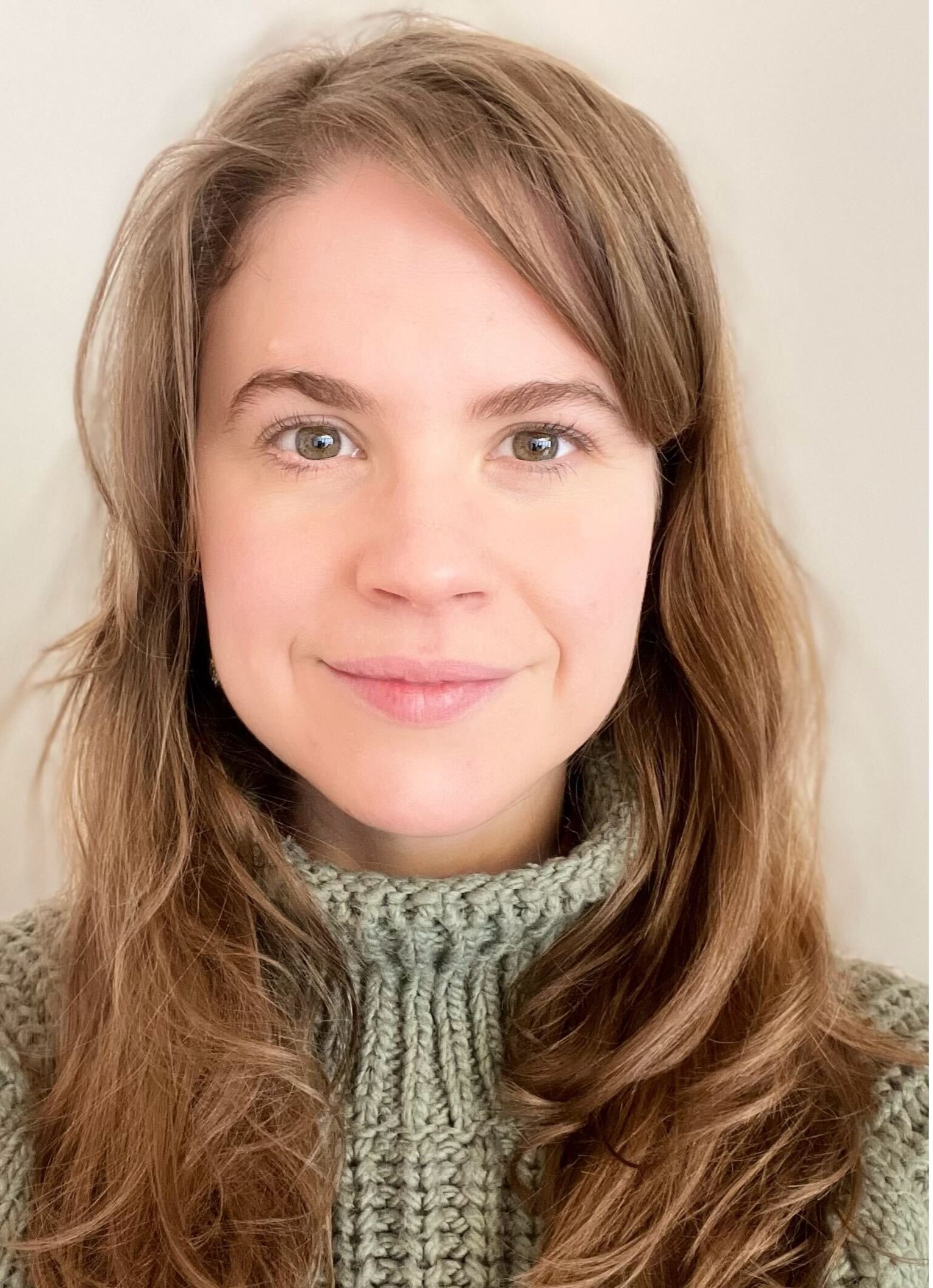
Susanne Werle
University of Freiburg (ALU-FR)

University of Freiburg (ALU-FR) oversees the project coordination and management, along with overseeing WP1: Establishing and testing co-adaptive management in a European restoration network and WP7: Coordinating, networking, and data management and provide case study and living lab areas.

Alexandra-Maria Klein

Amibeth Thompson
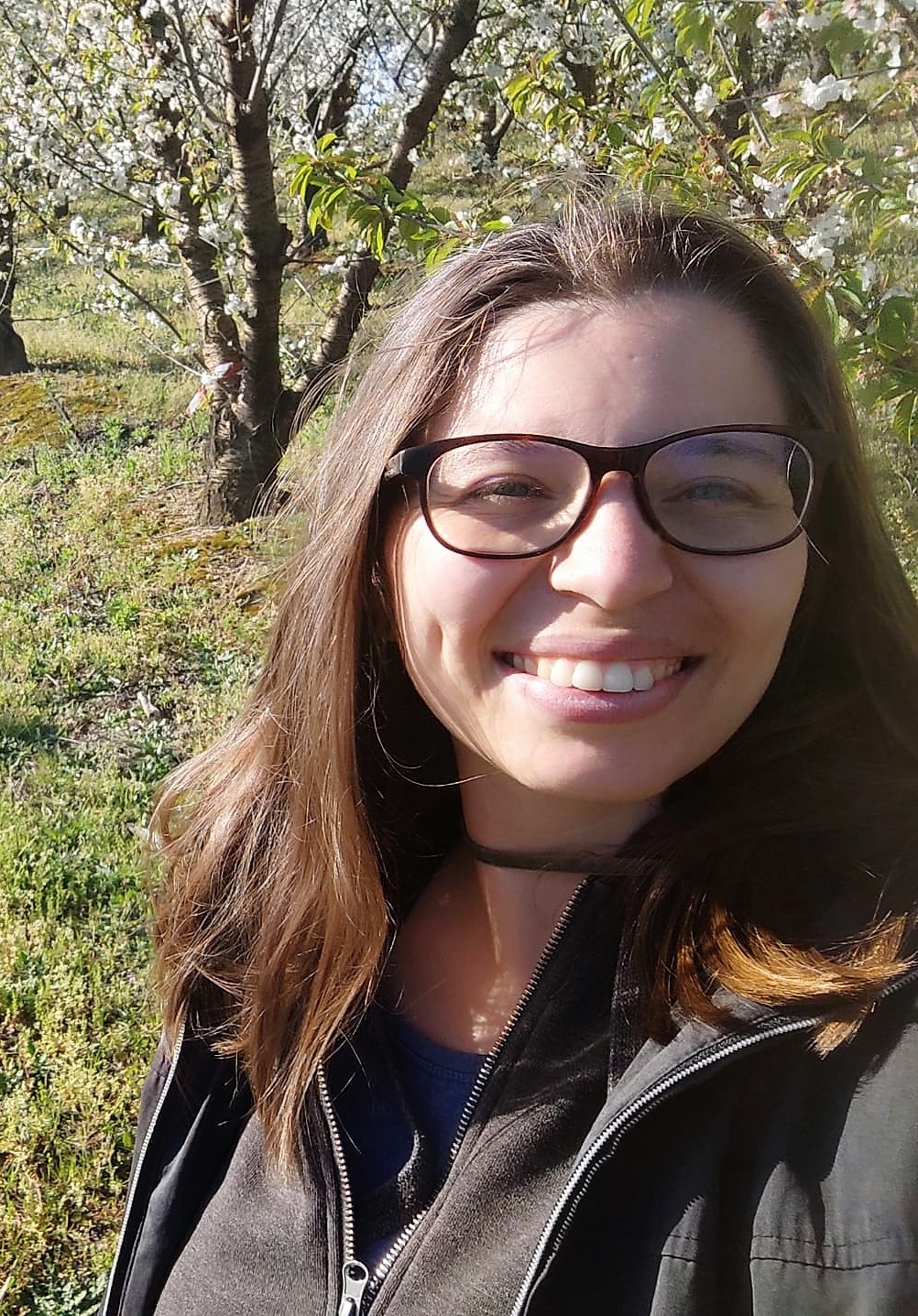
Catarina Siopa
Denicia Kassie

Dimitry Wintermantel

Felix Fornoff

Henning Nottebrock

Julia Osterman

Nick Rosenberger
Nina Kranke

Greece
University of Thessaly (UTH)

Partners from University of Thessaly (UTH) oversee Task 5.3: Survey consumer willingness to purchase biodiversity-friendly products and provide case study and living lab areas.

Asimina Oikonomou

Christina Kleisiairi

George Vlontzos

Konstantinos Minachilis

Leonidas Kyrgiakos

Marios Vasileiou

Hungary
Bükk National Park (BNPI)
Partners from Bükk National Park (BNPI) provide case study and living lab areas.
György Dudás

Ildikó Arany
László Tóth
Szilvia Szőke
Zsanett Laufer
Centre for Ecological Research (HUN-REN CER)

Partners from Centre for Ecological Research (HUN-REN CER) contribute to several tasks in WP 1 and 2 and provide case study and living lab areas.
Anikó Kovács-Hostyánszki
Bernadett Zsinka
Dóra Teplánszki
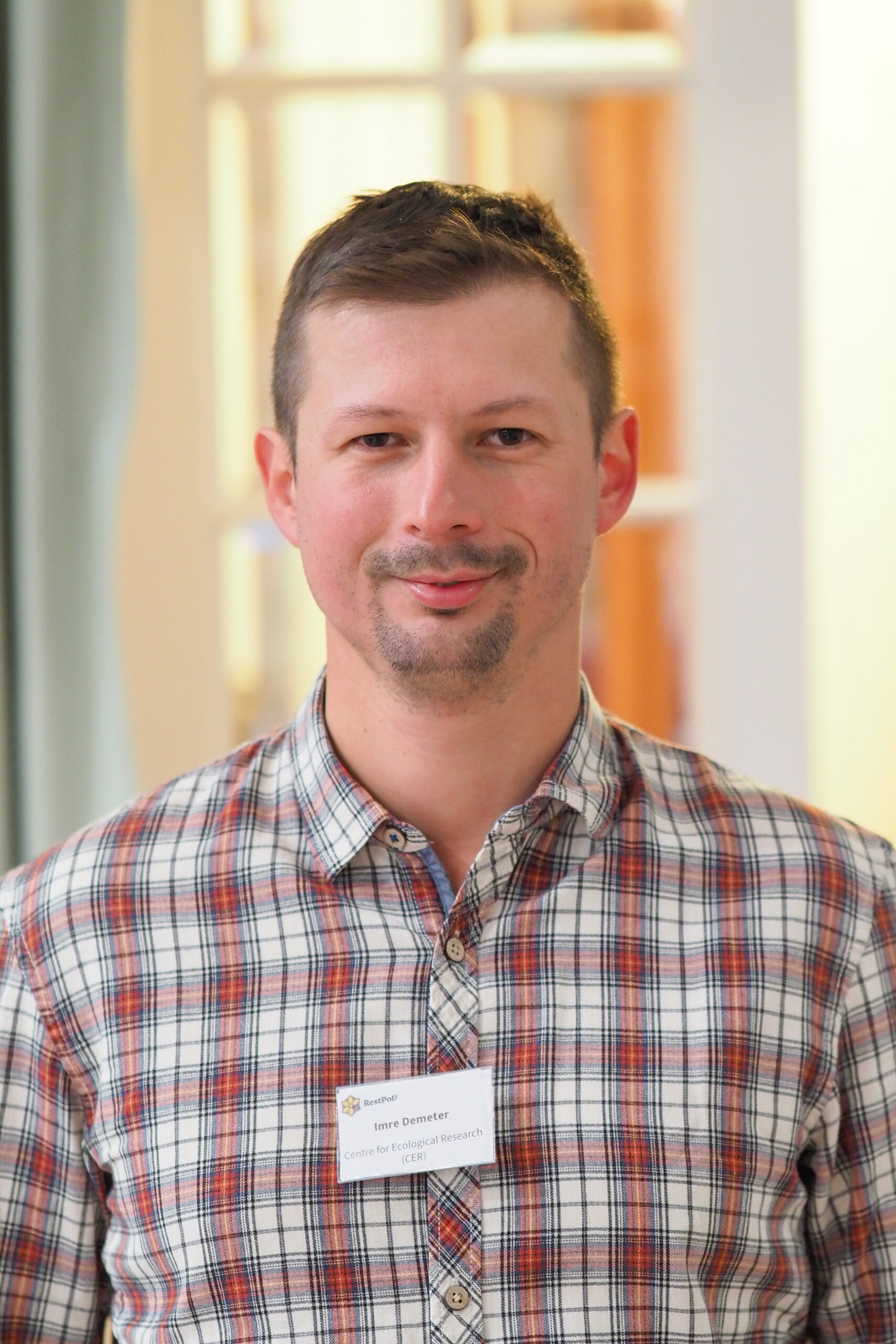
Imre Demeter
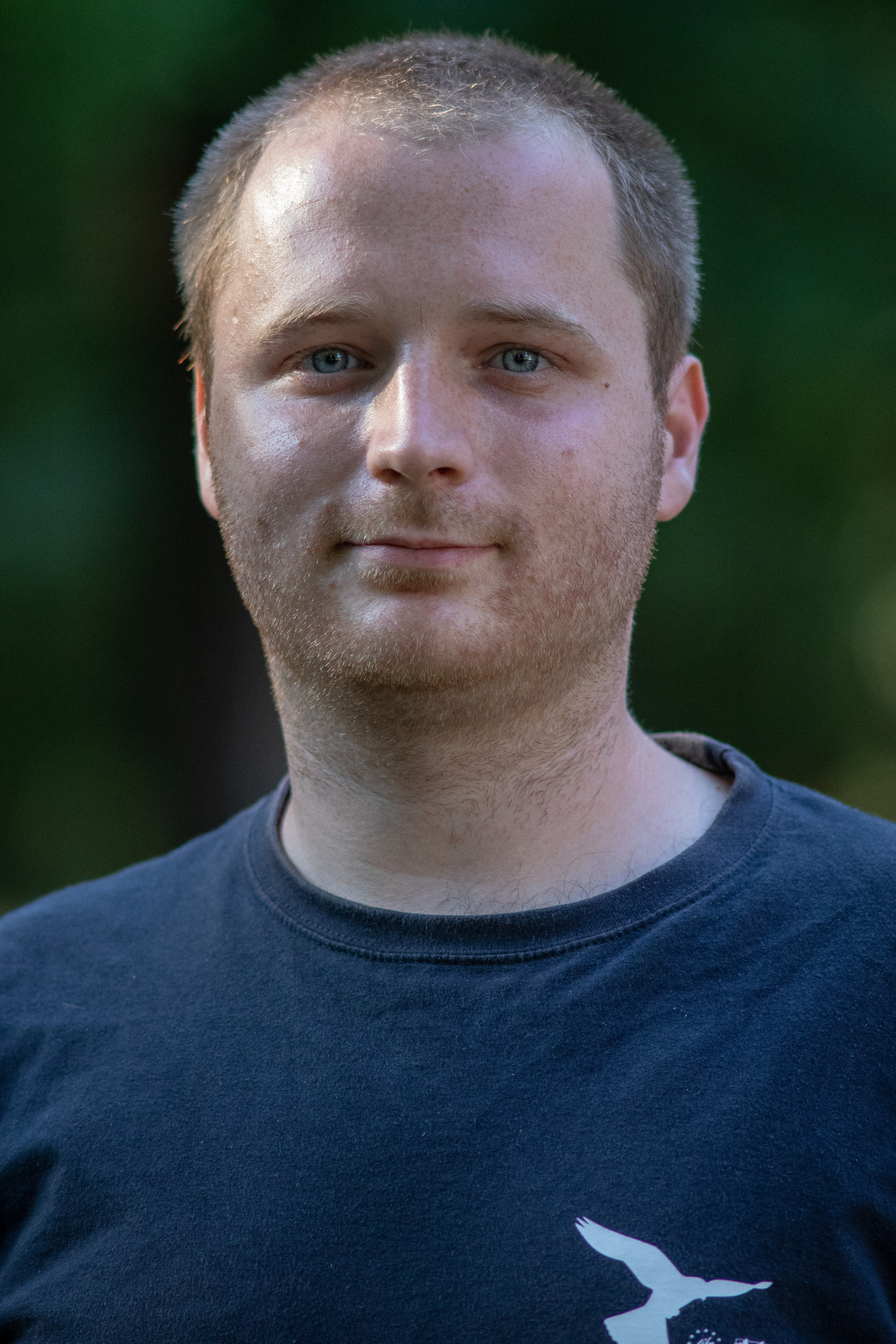
Sándor Piross

Ireland
Trinity College Dublin (TCD)

Partners from Trinity College Dublin (TCD) oversee Task 5.3: Survey consumer willingness to purchase biodiversity-friendly products.

Fernanda Azevedo
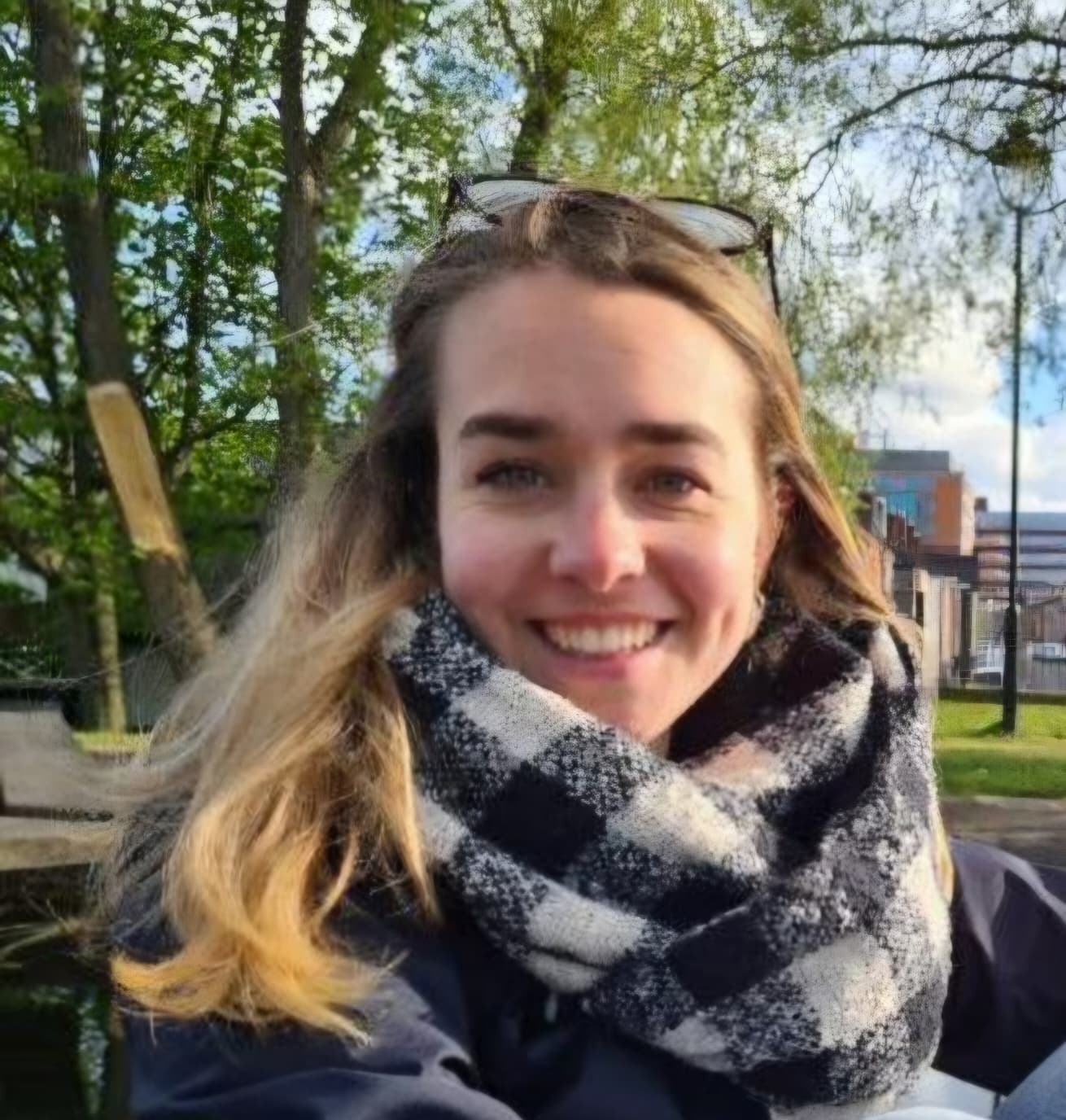
Irene Bottero
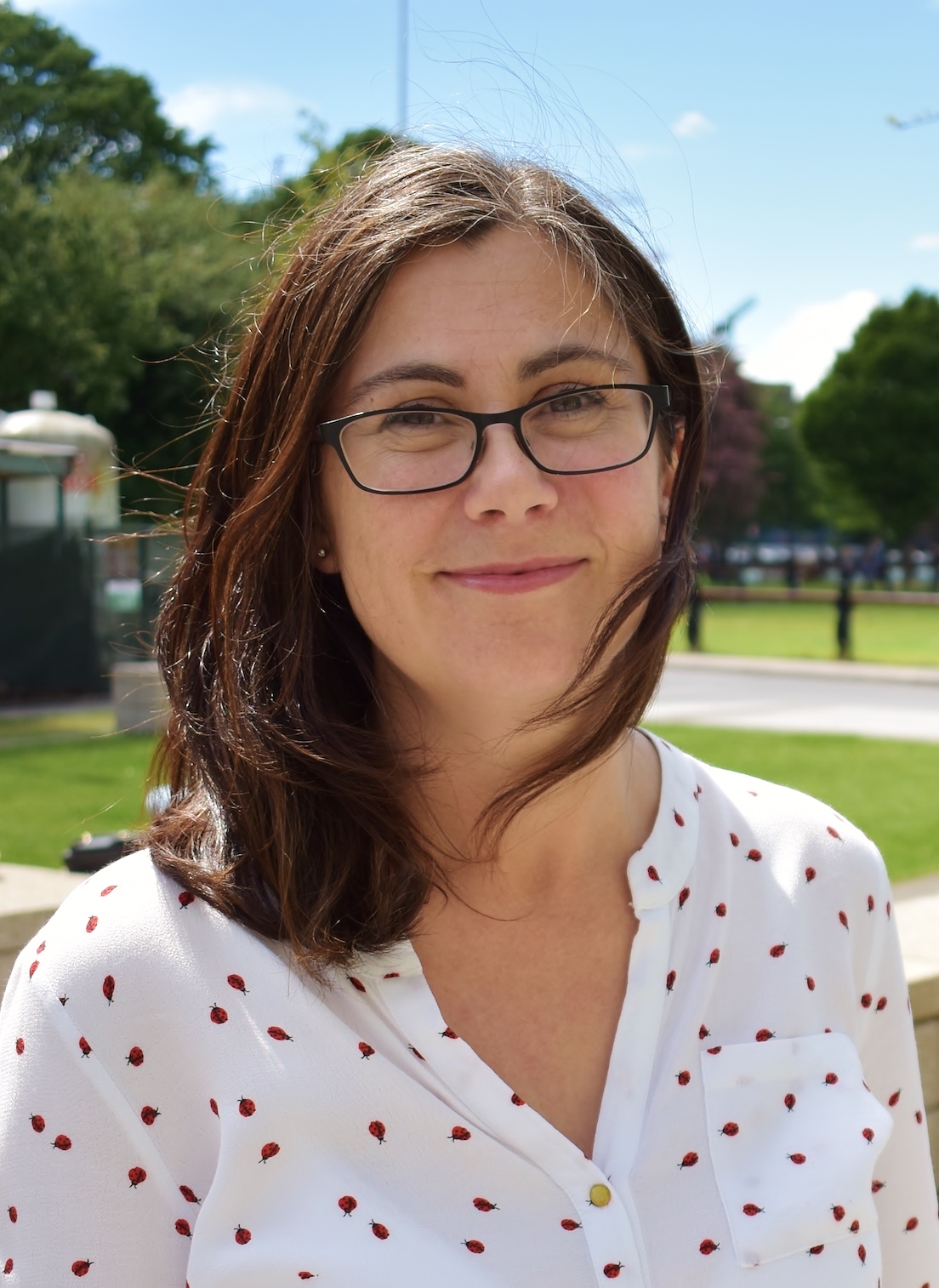
Jane Stout
Moya Owens

Italy
Confederazione Generale dell'Agricoltura Italiana (CONFAGRI)

Partners from Confederazione Generale dell'Agricoltura Italiana (CONFAGRI) contribute to WP 6 and provide case study and living lab areas.

Claudio Carpineti

Daniel Rossi

Donato Rotundo

Elisa Tomassi

Francesca Marino
Raffaele Cirone

Latvia
Baltic Studies Centre (BSC)

Partners from Baltic Studies Centre (BSC) oversee Task 7.3: Develop a gender, diversity and equality plan, contribute to WP 3-5 and provide case study and living lab areas.
Anda Adamsone-Fiskovica
Lūcija Ceicāne

Netherlands
HVR Group (HVR)

HVR Group (HVR) contributed to WP 6: Communicating and exchanging knowledge and engagement until 31 December 2025. WP6 is now overseen by the University of Freiburg team.
Wageningen University & Research (WU)
Partners from Wageningen University & Research (WU) oversee Task 1.3: Assess the effectiveness of restoration for pollinator communities and pollination services and how this is influenced by co-design of measures.
David Kleijn
Jeroen Scheper
Remco Ploeg

Norway
Inland Norway University of Applied Sciences (INN)
Partners from Inland Norway University of Applied Sciences (INN) oversee Task 4.4: Horizon scan of opportunities and threats for regional pollinator restoration actions.

Per Angelstam

Spain
Center for Ecological Research and Forestry Applications (CREAF–CERCA)

Partners from Center for Ecological Research and Forestry Applications (CREAF–CERCA) contribute to WP1 and provide case study and living lab areas.

Anselm Rodrigo
Clàudia Ortiz

Jordi Bosch

Laura Roquer-Beni
Institute of Agrifood Research and Technology (IRTA-CERCA)

Partners from Institute of Agrifood Research and Technology (IRTA-CERCA) provide case study and living lab areas.

Georgina Alins

Jordi Cabrefiga
Nicolas Buck

Sweden
Lund University (ULUND)
Partners from Lund University (ULUND) oversee WP 2: Demonstrating context dependency, scalability, and synergies across pollinator restoration measures at the landscape scale and beyond, including Task 2.2: Evaluate interactions among landscape-scale drivers and local restoration measures on pollinators.

Georg Andersson

Maj Rundlöf

Maria von Post

Richard Walters

Ulrika Samnegård
Swedish University of Agricultural Sciences (SLU)
Partners from Swedish University of Agricultural Sciences (SLU) provide case study and living lab areas.
Lotta Fabricius Kristiansen

Switzerland
Federal Department of Economic Affairs, Education and Research, Agroscope (WBF)

Partners from Federal Department of Economic Affairs, Education and Research, Agroscope (WBF) contribute to WP 3 and provide case study and living lab areas.
Janique Koller

Louis Sutter

Matthias Albrecht

Thibault (Tibo) Costaz

Ukraine
Yuriy Fedkovych Chernivtsi National University (CYFNU YFCNU)
Partners from Yuriy Fedkovych Chernivtsi National University (CYFNU YFCNU) contribute to WP 4 and 6 and provide case study and living lab areas.
Alina Zhuk
Iryna Sytnikova
Mariia Fedoriak
Oksana Zarochentseva
Tetiana Fylypchuk
Uliana Leheta

United Kingdom
Avalon Fresh Limited (Avalon Fresh)

Partners from Avalon Fresh Limited (Avalon Fresh) contribute to WP 5 and provide case study and living lab areas.
Jack Roberts
Nigel Jenner
Bumblebee Conservation Trust (BBCT)
Partners from the Bumblebee Conservation Trust (BBCT) contribute to WP 1, 5, and 6 and provide case study and living lab areas.
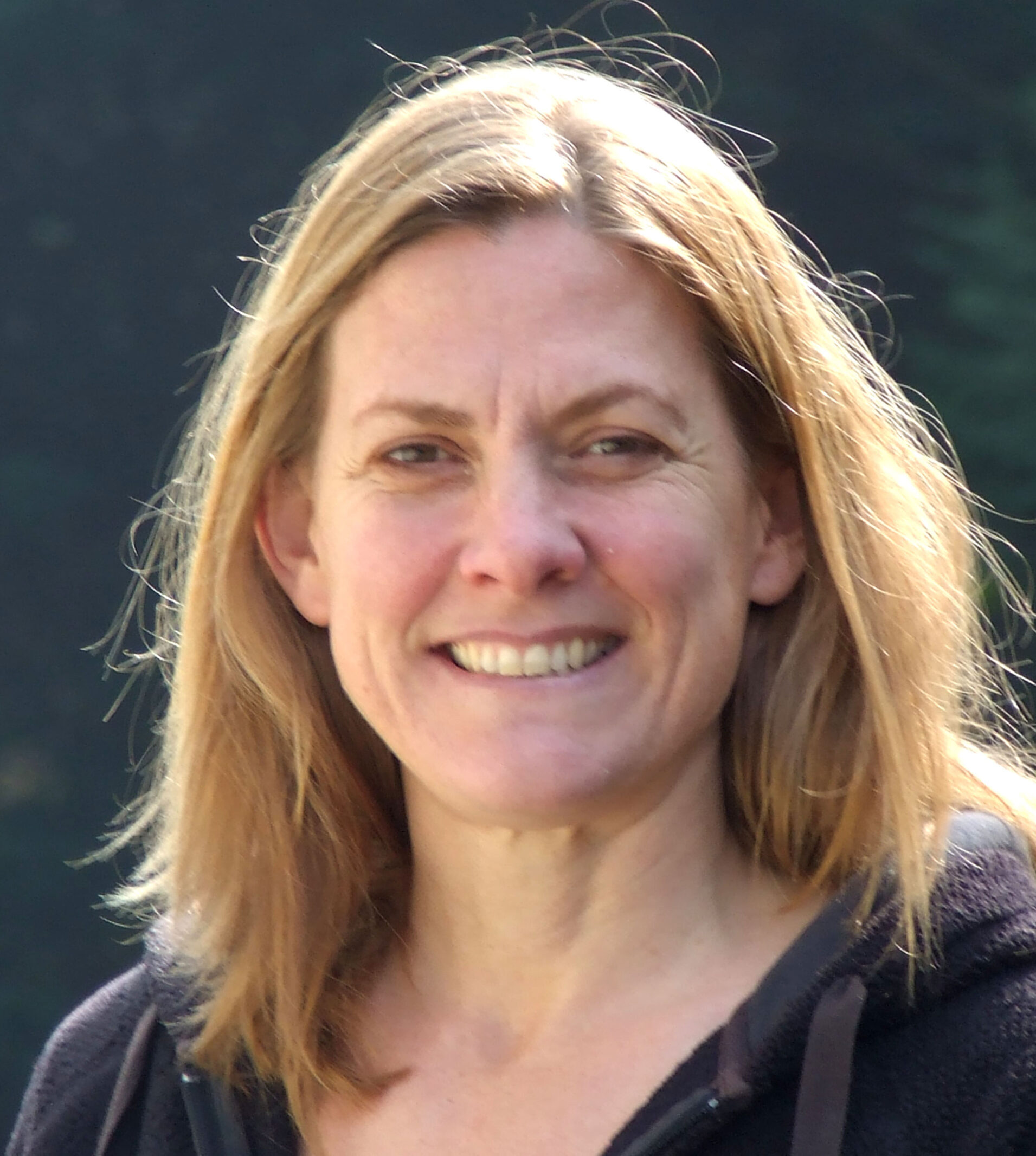
Amy Plowman
Richard Comont
Innocent Ltd (INNOCENT LTD)

Partners from Innocent Ltd (INNOCENT LTD) contribute to WP 5 and provide case study and living lab areas.
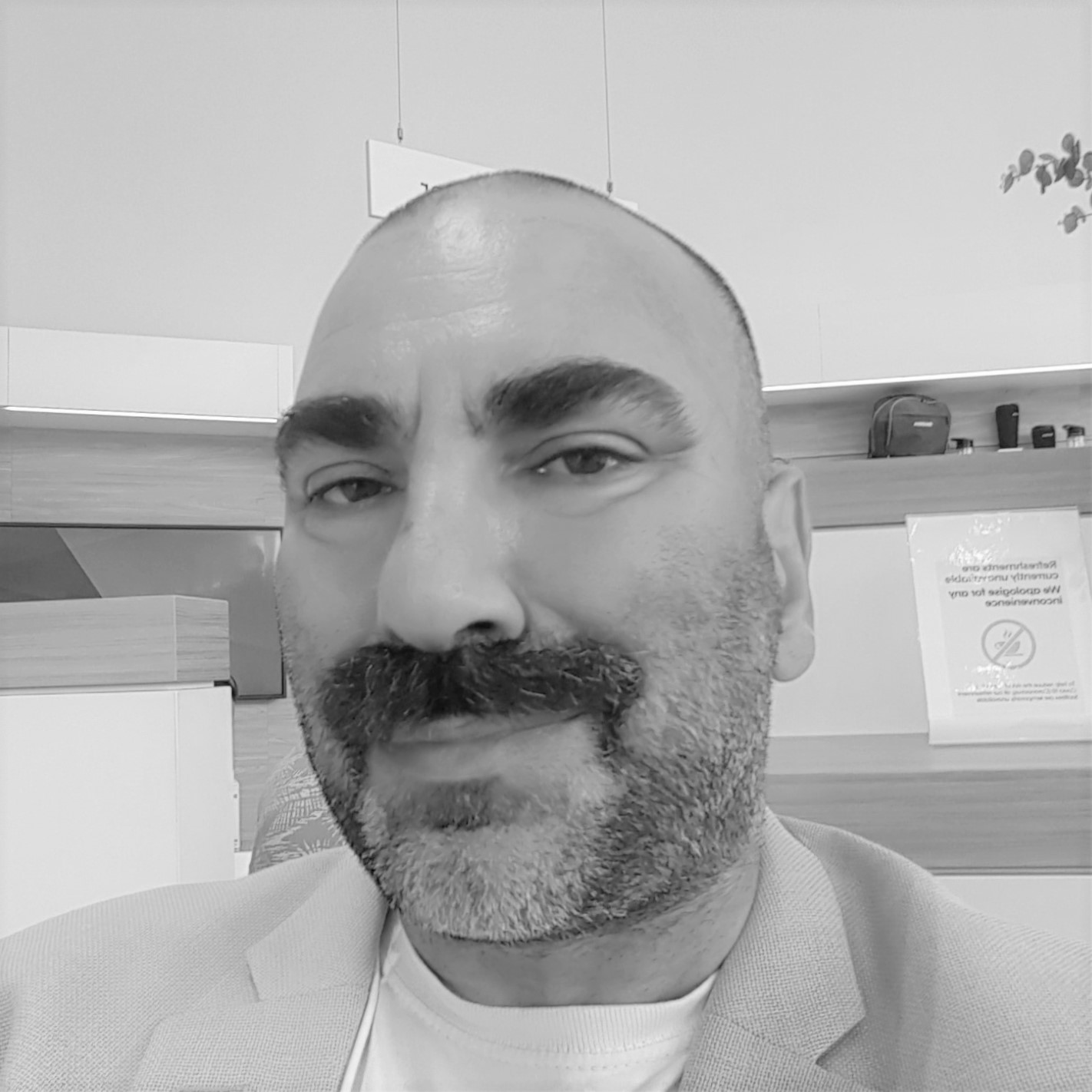
Athanasios Mandis
University of Cambridge (UCAM)

Partners from University of Cambridge (UCAM) oversee WP 5: Integrating assessment tools for decision, education, and evaluation, including Task 5.1: Synthesise evidence for decision-making and provide case study and living lab areas.
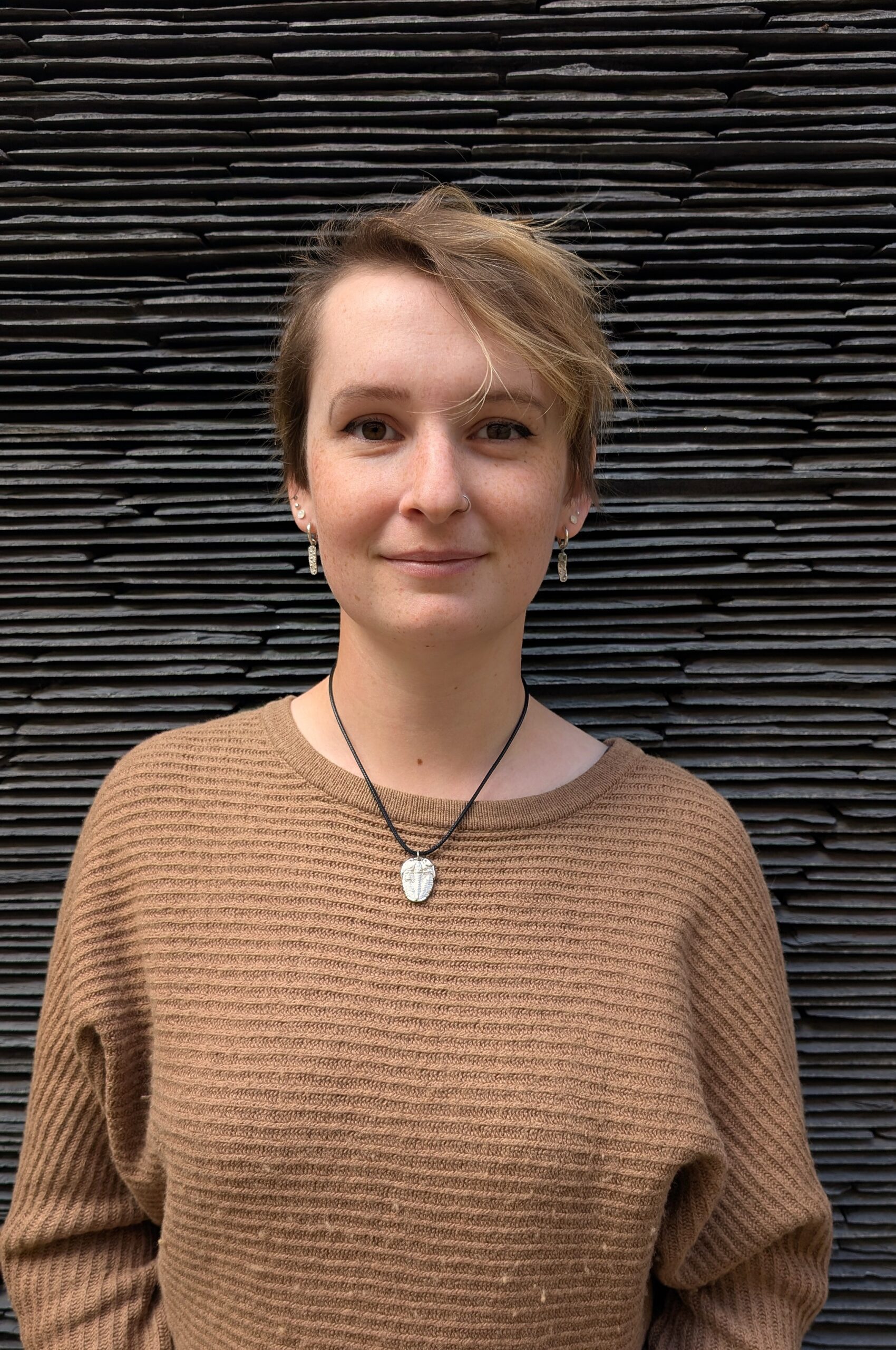
Annie Northfield
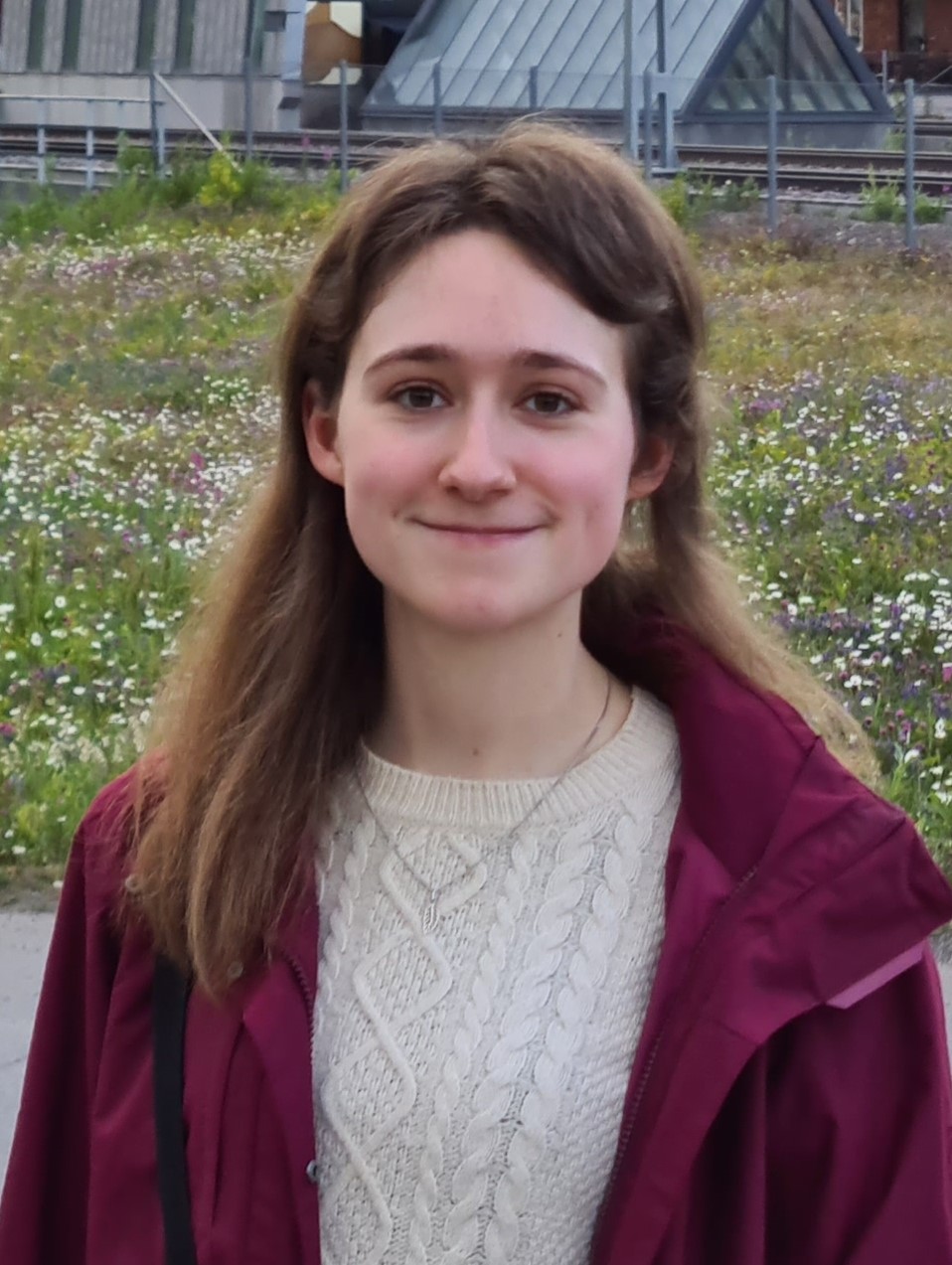
Jacqui James
Lynn Dicks
William Morgan
University of Reading (UREAD)

Partners from University of Reading (UREAD) oversee Task 3.4: Estimate the value added by wild pollinators to the food value chain and 5.4: Co-design of pollinator-friendly labels and provide case study and living lab areas.
Beatrice Kerry
Deepa Senapathi
Michael P. D. Garrat

Simon Potts

Tom Breeze

United States of America
Pennsylvania State University (PennState)

Partners from Pennsylvania State University (PennState) contribute knowledge on conducting restoration projects and provide insight from a global perspective.

Christina Grozinger