This year, RestPoll partners marked World Bee Day through a wide range of activities, all with the same goal: connecting people with pollinators and the role they play in our landscapes and food systems.
Every year on May 20th, people around the world celebrate World Bee Day and recognize the importance of bees and other pollinators. These small but mighty animals play a crucial role in maintaining healthy ecosystems and supporting the production of the foods we eat every day.
World Bee Day was established by the United Nations in 2018 following an initiative led by Slovenia and supported by Apimondia, the International Federation of Beekeeper’s Associations. The date was chosen to honor the birth of Anton Janša, an 18th-century Slovenian beekeeper and pioneer of modern apiculture¹. Janša came from a long tradition of beekeeping, reflecting Slovenia’s rich beekeeping heritage and its commitment to pollinator conservation².
Today, the celebration serves as a reminder that protecting pollinators is essential for biodiversity, food security, and sustainable agriculture. This year’s global theme, “Bee Together for People and the Planet – A partnership that sustains us all,”³ was celebrated together by several RestPoll partners throughout Europe to reach all audiences, from young to old, on the important role pollinators play in our lives.
Bringing Pollinators into the Classroom
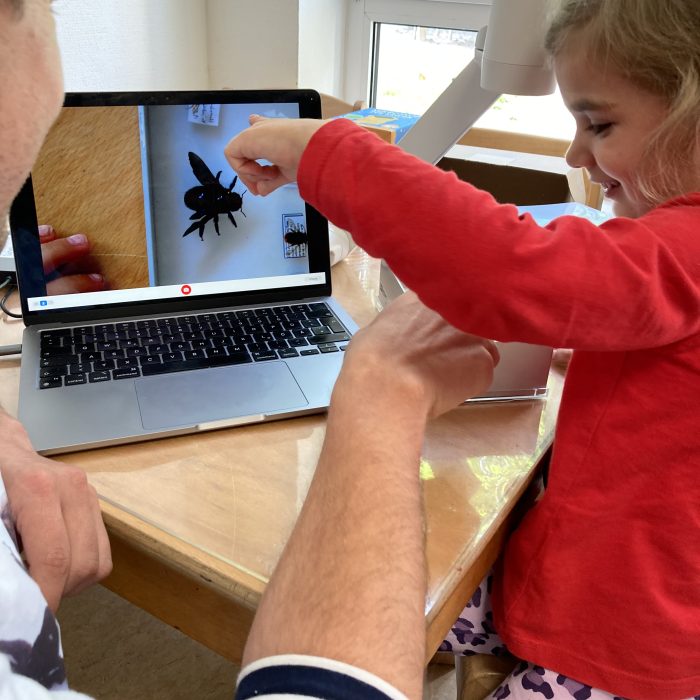
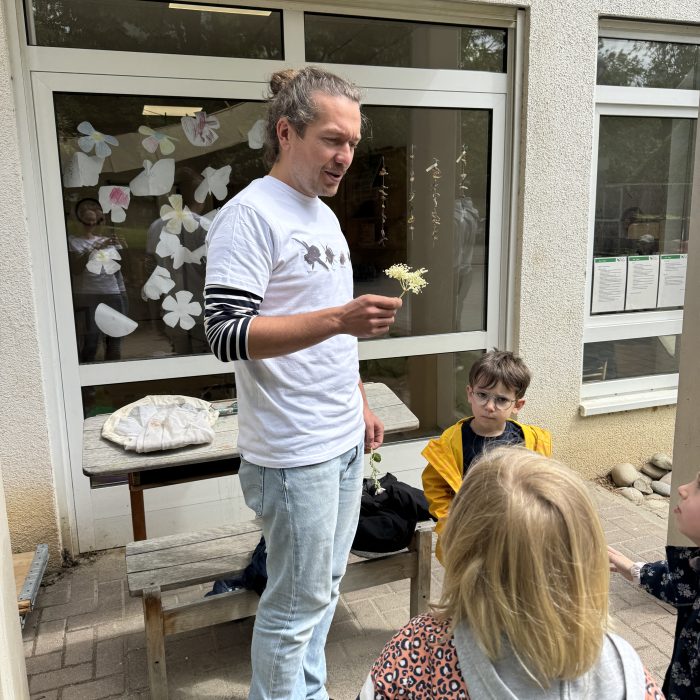
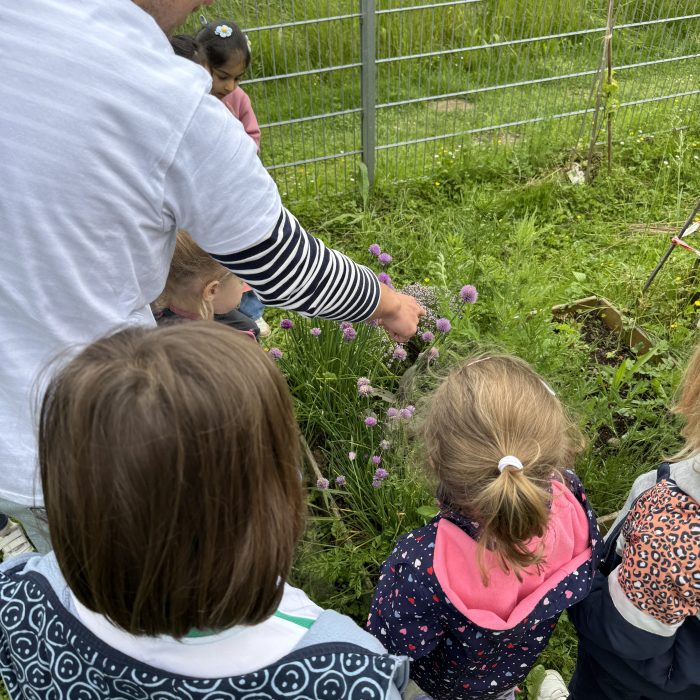
Teaching children about the importance of pollinators can shape the way they understand and care for the natural world from an early age. That’s why educating young learners about these tiny but essential creatures is so important. Members from the University of Freiburg and the University of Thessaly visited kindergartens to bring these topics to life through hands-on activities that helped children discover the fascinating role pollinators play in our ecosystems.
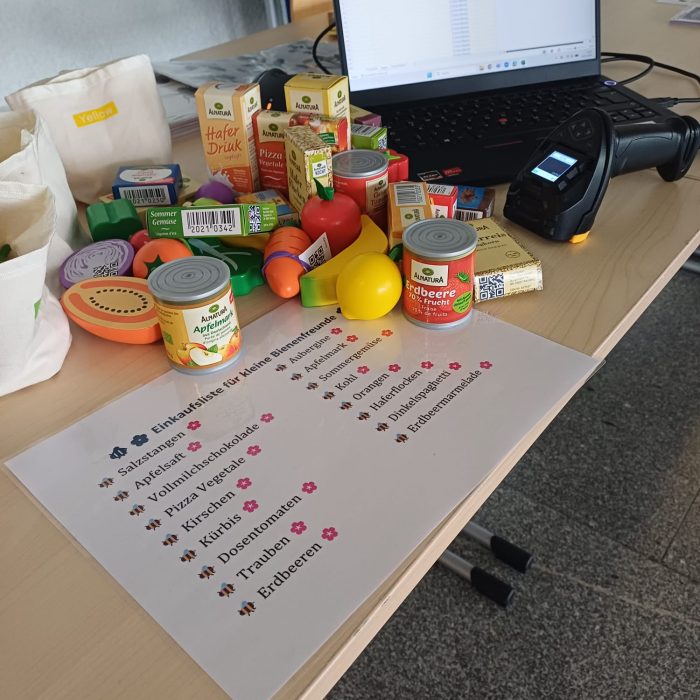
In Freiburg, children were fascinated as they examined different species of bees, discovered how they vary in size, shape, and appearance. They also learned that many of their favorite foods, including cucumbers, apples, and strawberries, depend on pollinators to grow and become delicious the foods we enjoy.
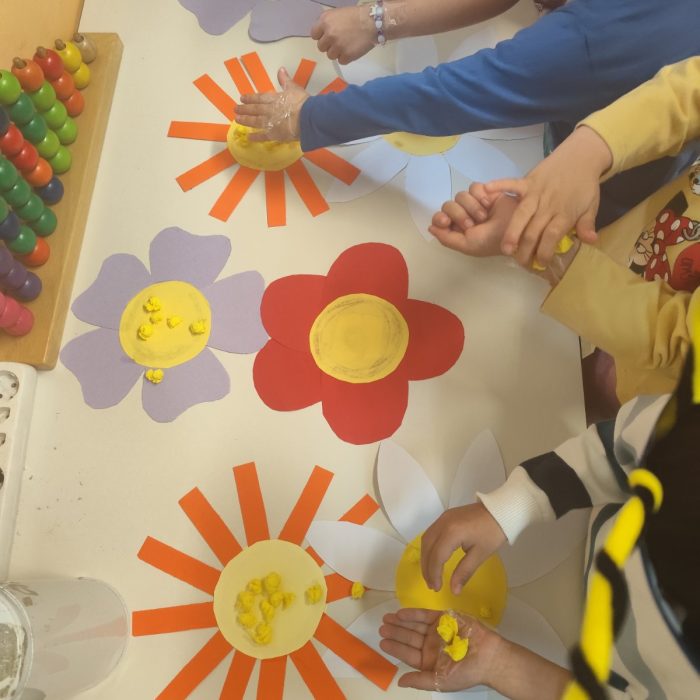
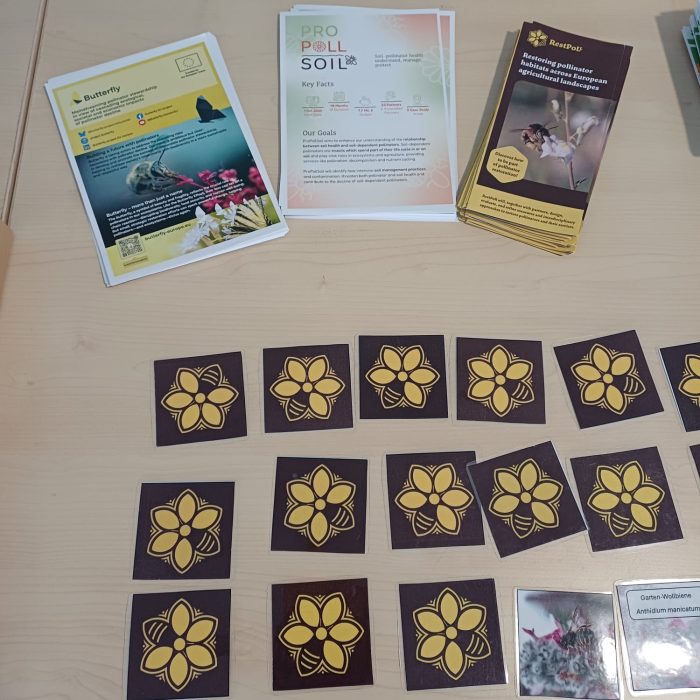
In Greece, on World Bee Day, a joint event by the pollination- related projects RestPoll, ProPollSoil and Butterfly was organized by researchers from UTH. It was an interactive educational visit to a local kindergarten to introduce young children to the importance of pollination and pollinators. The session began with a simple and engaging presentation explaining how pollination works and the role of bees in this process.
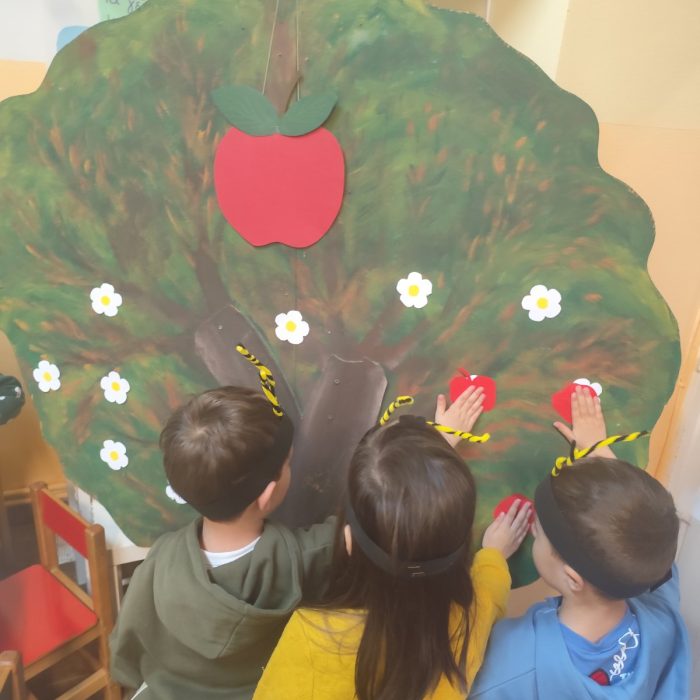
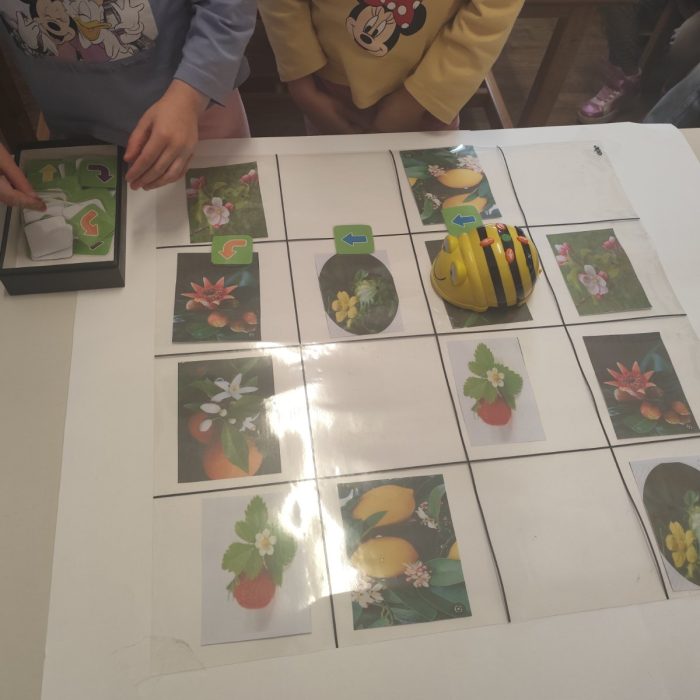
Later on, this was followed by hands-on activities, where children actively participated by singing songs about bees and taking on the role of pollinators themselves. Wearing bee-themed headbands, they simulated the transfer of pollen between flowers and collaboratively “created” fruits on a model tree, reinforcing their understanding through play. They carried “pollen balls” from one flower to another and played interactive games that showed how pollinators travel between flowers. The activities also included the use of an educational bee robot, which children programmed to follow the steps of the pollination process, combining environmental learning with early digital skills.
Through movement, play, and exploration, the children gained a memorable understanding of how these tiny creatures help plants reproduce and support the food we rely on every day.
Taking Science into the Community
Across Europe, project partners organized a variety of community events that brought science beyond the laboratory and into the public spotlight.
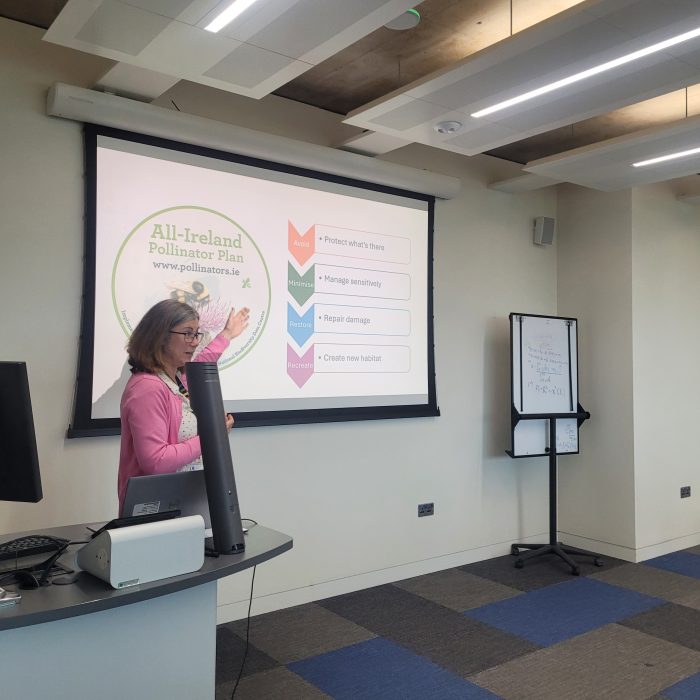
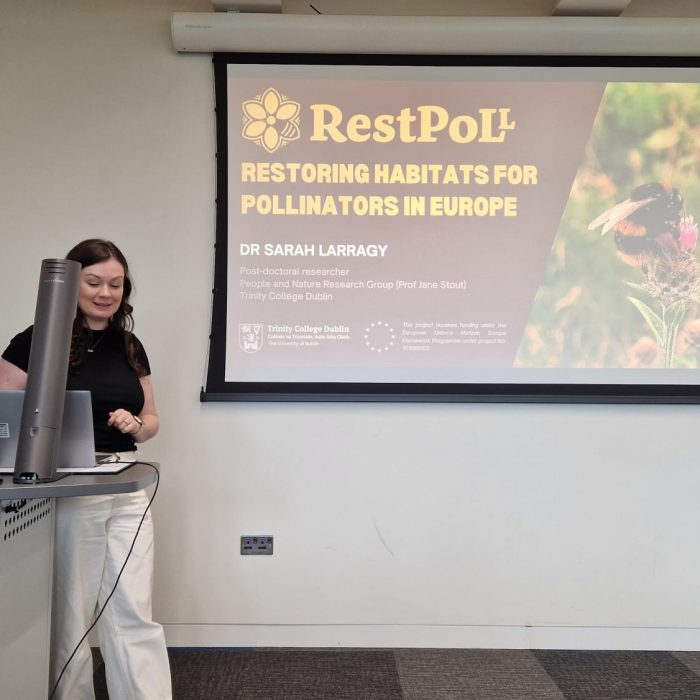
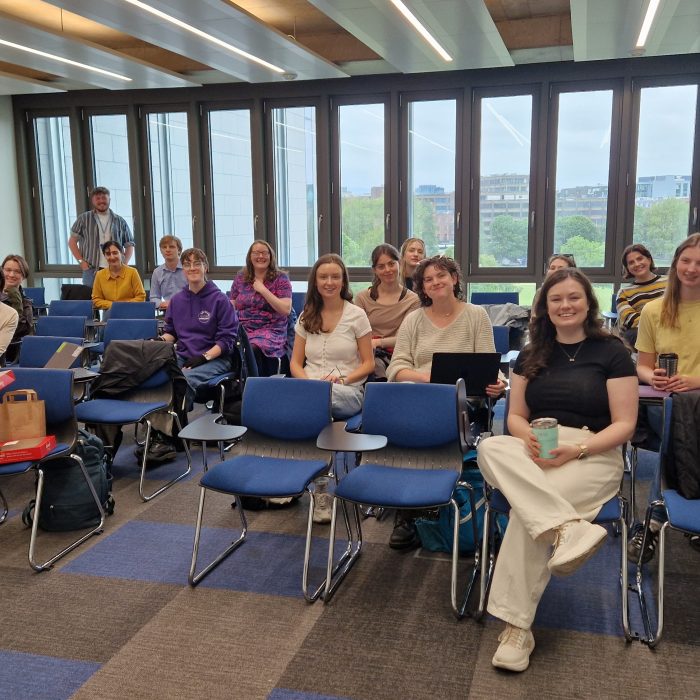
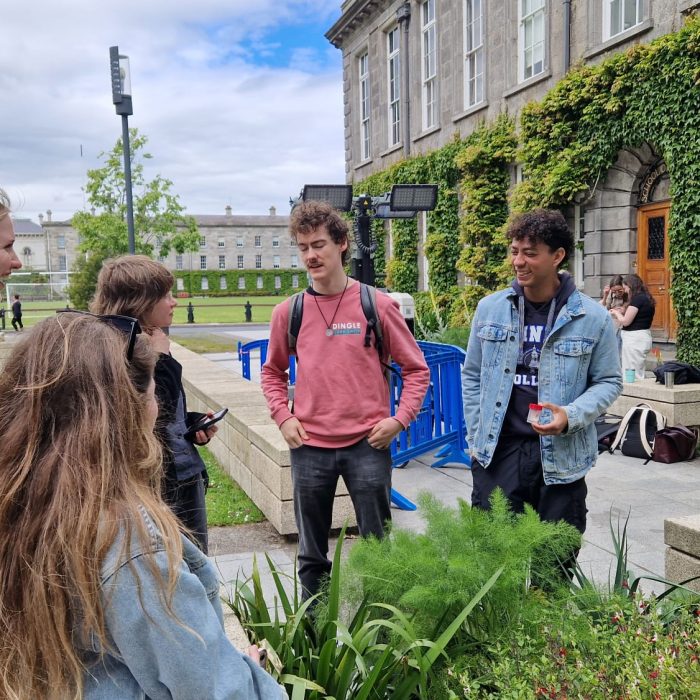
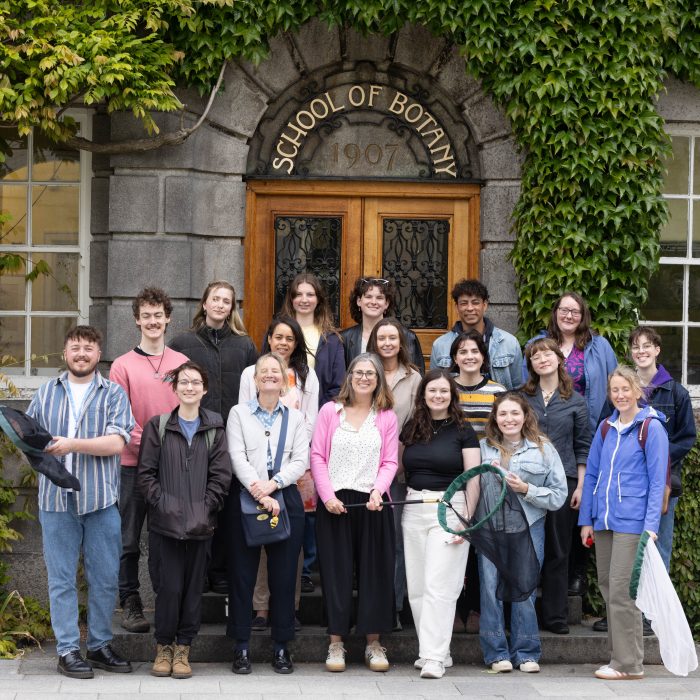
At Trinity College Dublin, participants gathered for a morning of talks from researchers engaged in the latest approaches to pollinator monitoring. This included an update on the RestPoll monitoring in the Irish Case Study sites, the National Pollinator Monitoring Scheme, insights on which pollinators are the best indicators of the ecology of new native woodlands, the Irish Bumblebee Monitoring Scheme, monitoring moths, and novel image and radar-based methods for pollinator monitoring and identification. The learning continued outdoors with a guided bee hunt around the Botany Building on Trinity’s historic campus, where attendees captured and learned about honeybees, bumblebees, and solitary bees and their foraging.
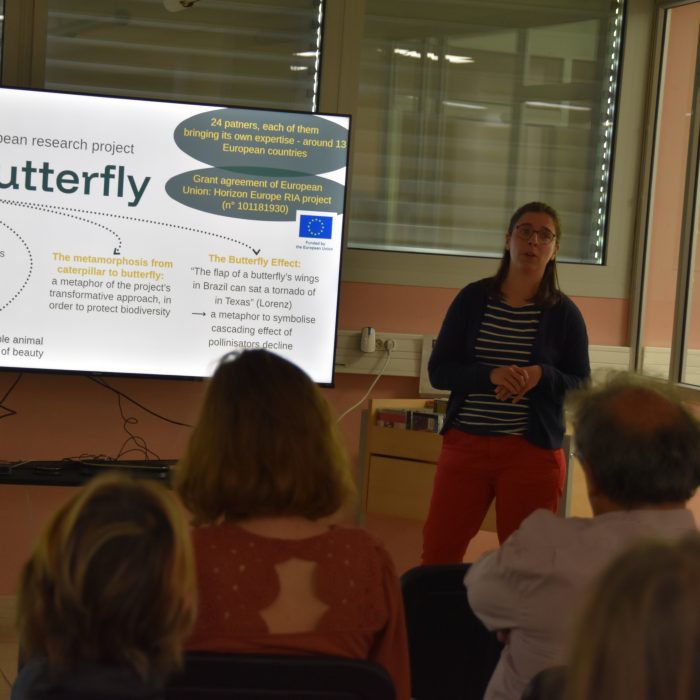
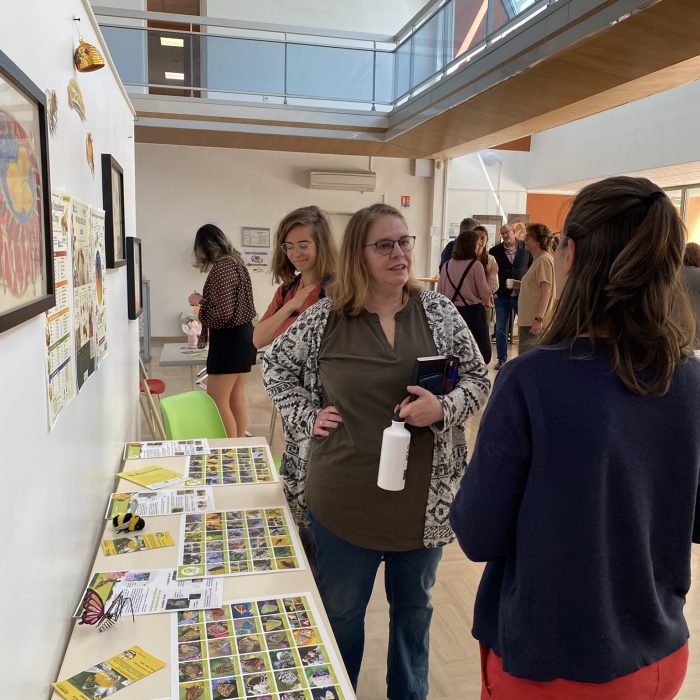
Meanwhile, partners from CIHEAM IAMM and ENSFEA Toulouse hosted a half-day Café-doc event in Montpellier. The morning began with short presentations introducing the significance of the day and highlighting the three EU-funded projects co-hosting the event, RestPoll, Butterfly, and ProPollSoil. The presentations sparked lively discussions and a joint Q&A session.
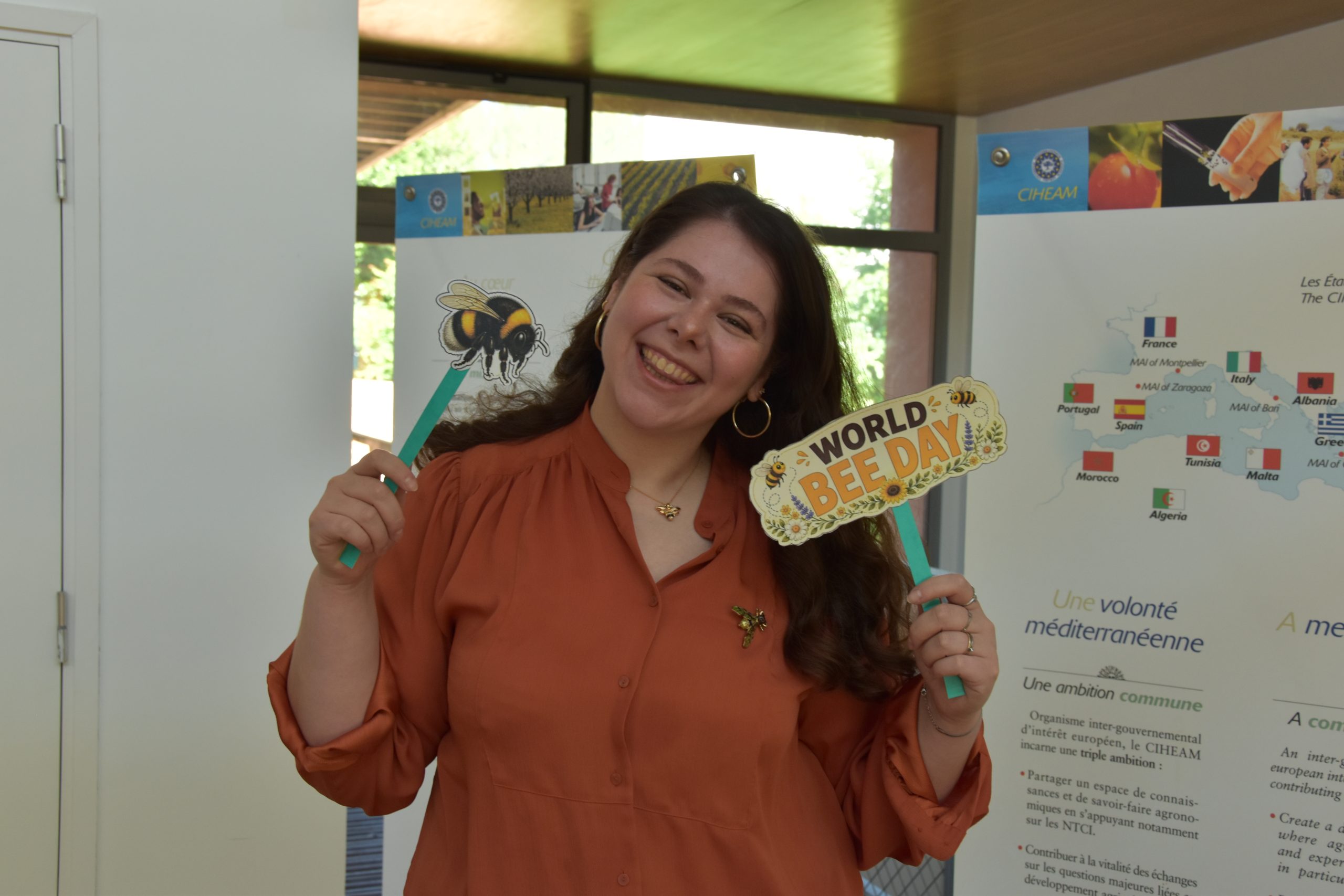
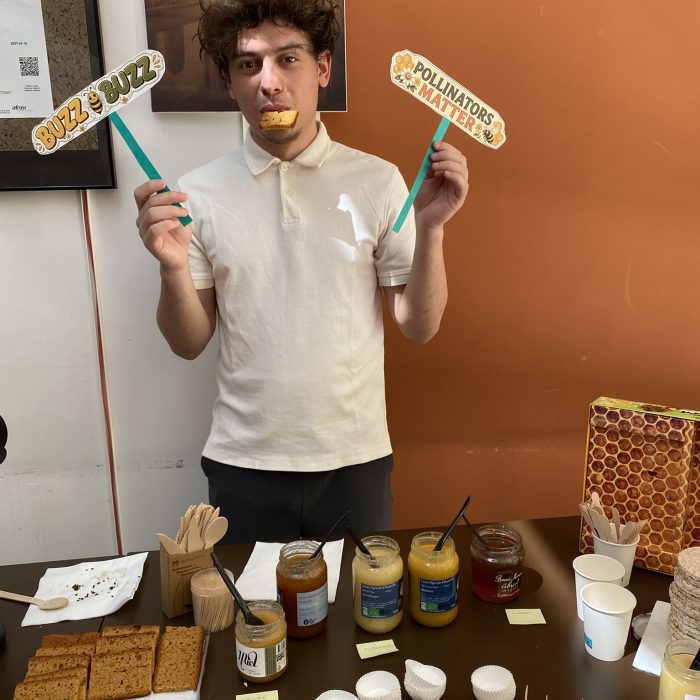
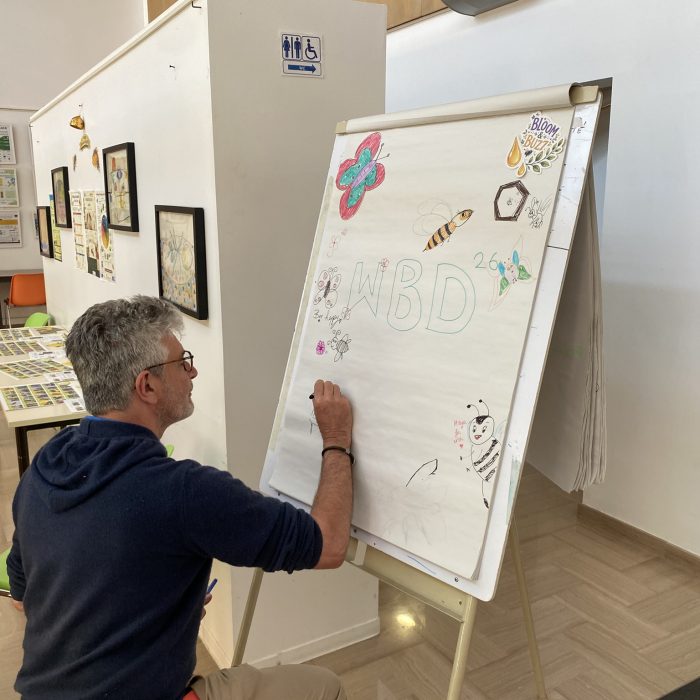
Following the talks, participants enjoyed a coffee break while exploring a range of interactive activity stations. These included a photo booth, an art exhibition corner, a honey and bee-products tasting stand hosted by local beekeepers, a pollinator specimen and information display, a crop pollination photo exhibition, a pollinator–plant matching game, and educational panels featuring fun facts about pollinator ecology and digital monitoring tools.
“The honey tasting stand was a particular highlight,” said Zehra, “We offered different kinds of honey and honey-based sweets, alongside a display of pollinated crops on the same table.”
Reaching New Audiences
Information stands also played an important role in bringing pollinator science directly to the public and university communities.
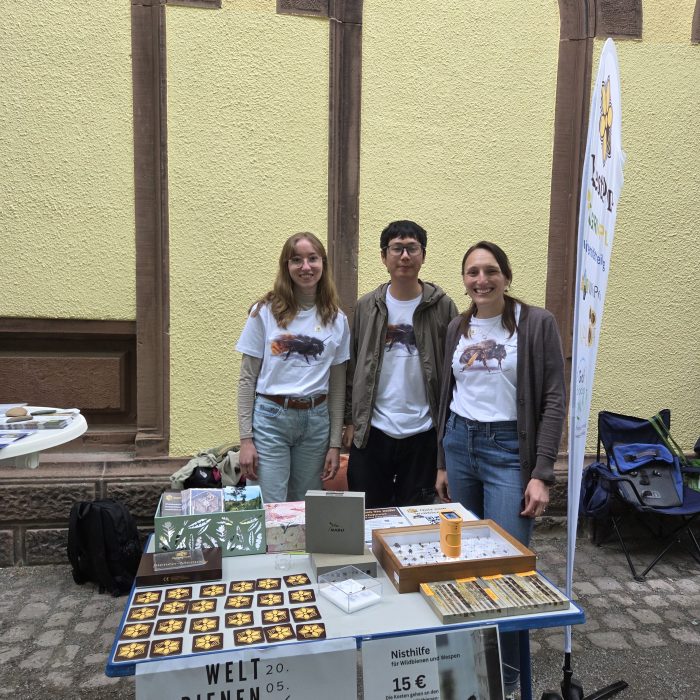
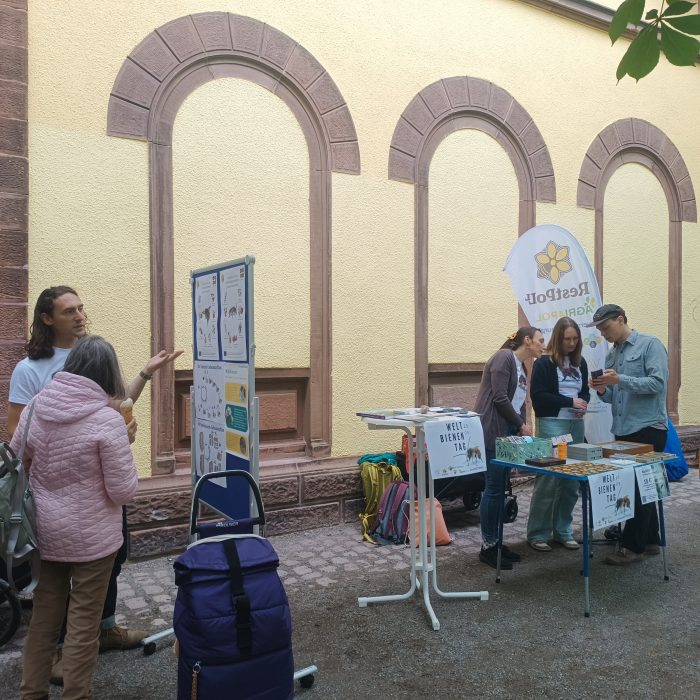
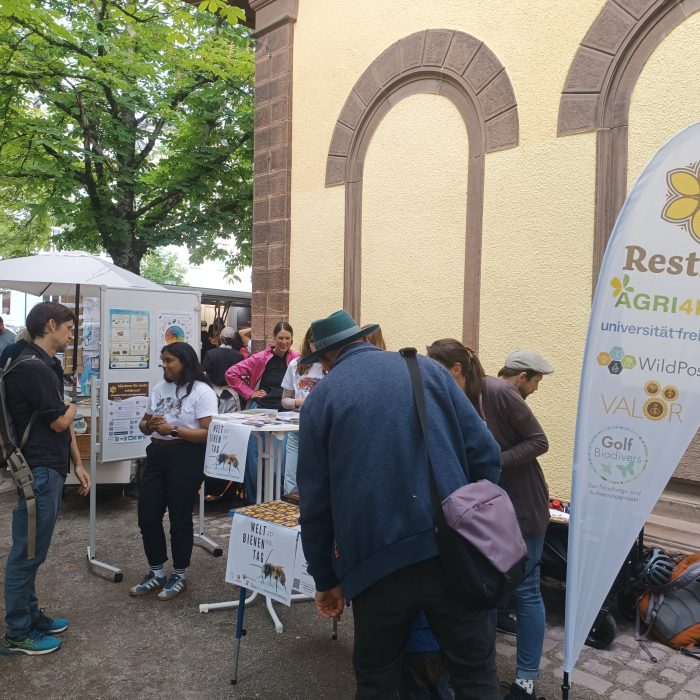
At a local farmer’s market, members from the University of Freiburg engaged visitors of all ages through interactive activities and pollinator-themed quizzes, giving participants the chance to test their knowledge and win prizes. Visitors could also explore educational material about wild bees, discover how to build their own bee hotels, and learn which plants best support pollinators in gardens and urban spaces.
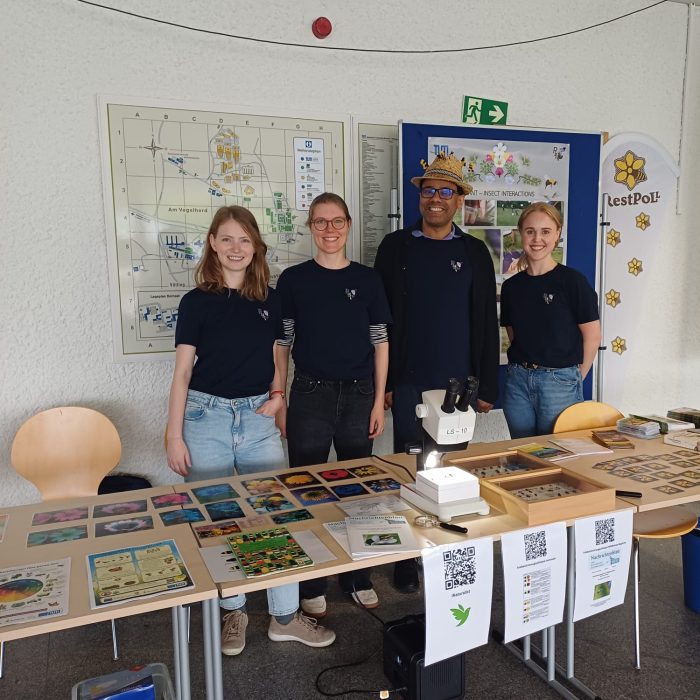
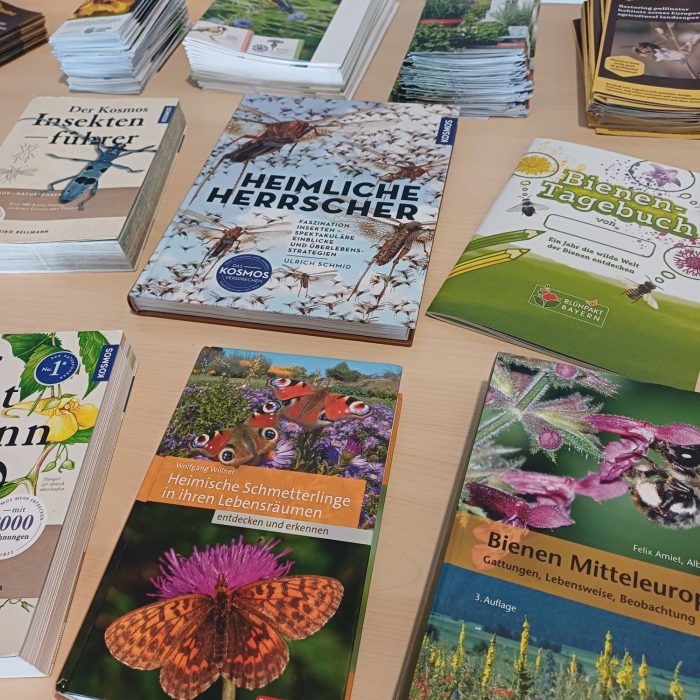
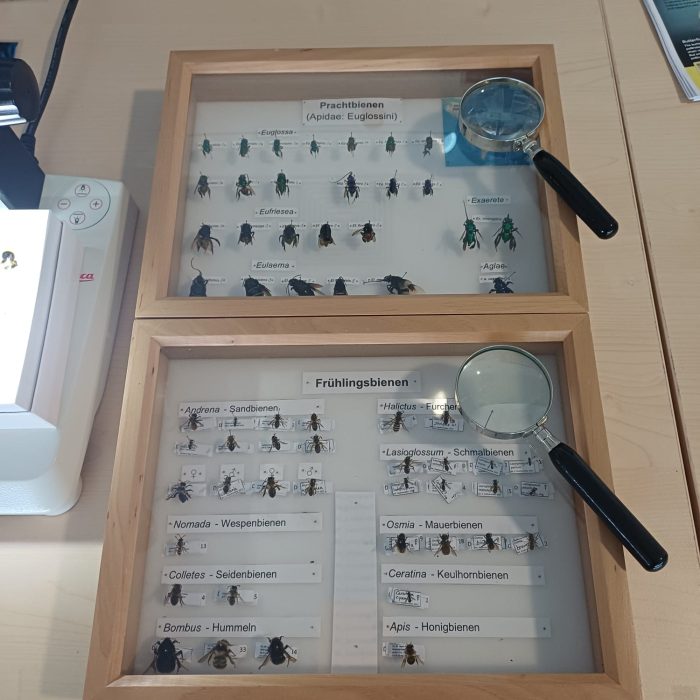
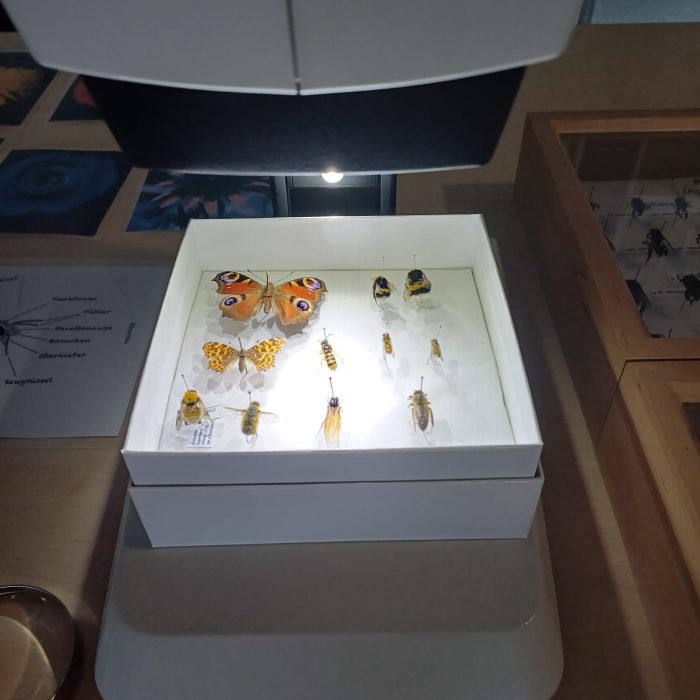
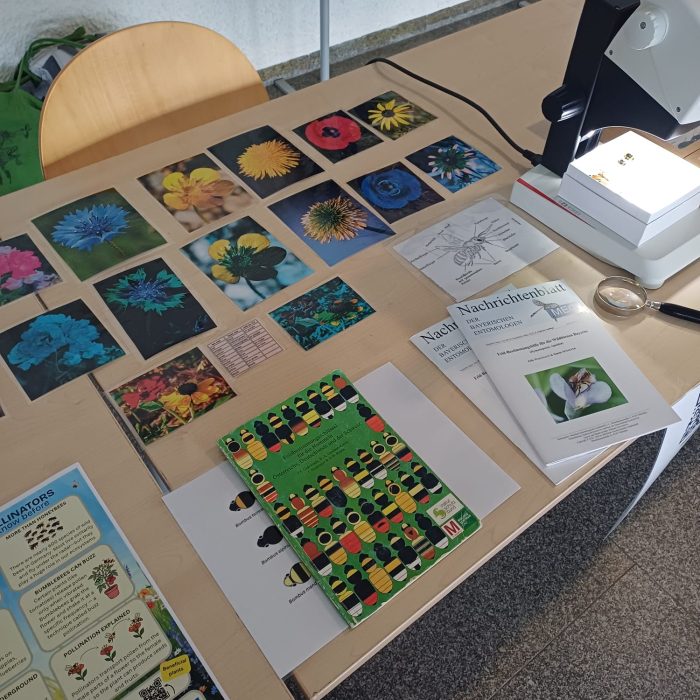
Similarly, researchers at the Technical University of Munich hosted an information stand on campus, where students had the opportunity to learn about pollinators through a variety of hands-on activities. Displays of native and exotic bee species, along with presentations on a wide variety of pollinators like hoverflies and butterflies, offered students and visitors a closer look at the remarkable diversity of these important creatures. Games, educational materials, and interactive exhibits further helped students deepen their understanding of pollinator ecology and conservation.
By combining scientific knowledge with hands-on experiences, these events created meaningful opportunities for people of all ages to connect with pollinator research and learn about the essential role they play in supporting biodiversity, healthy ecosystems, and food production.
Check out the events on social media from our different partners: CIHEAM IAMM Technical University of Munich Trinity College Dublin, University of Freiburg and University of Thessaly