Faces behind RestPoll

Meet Fernanda Azevedo

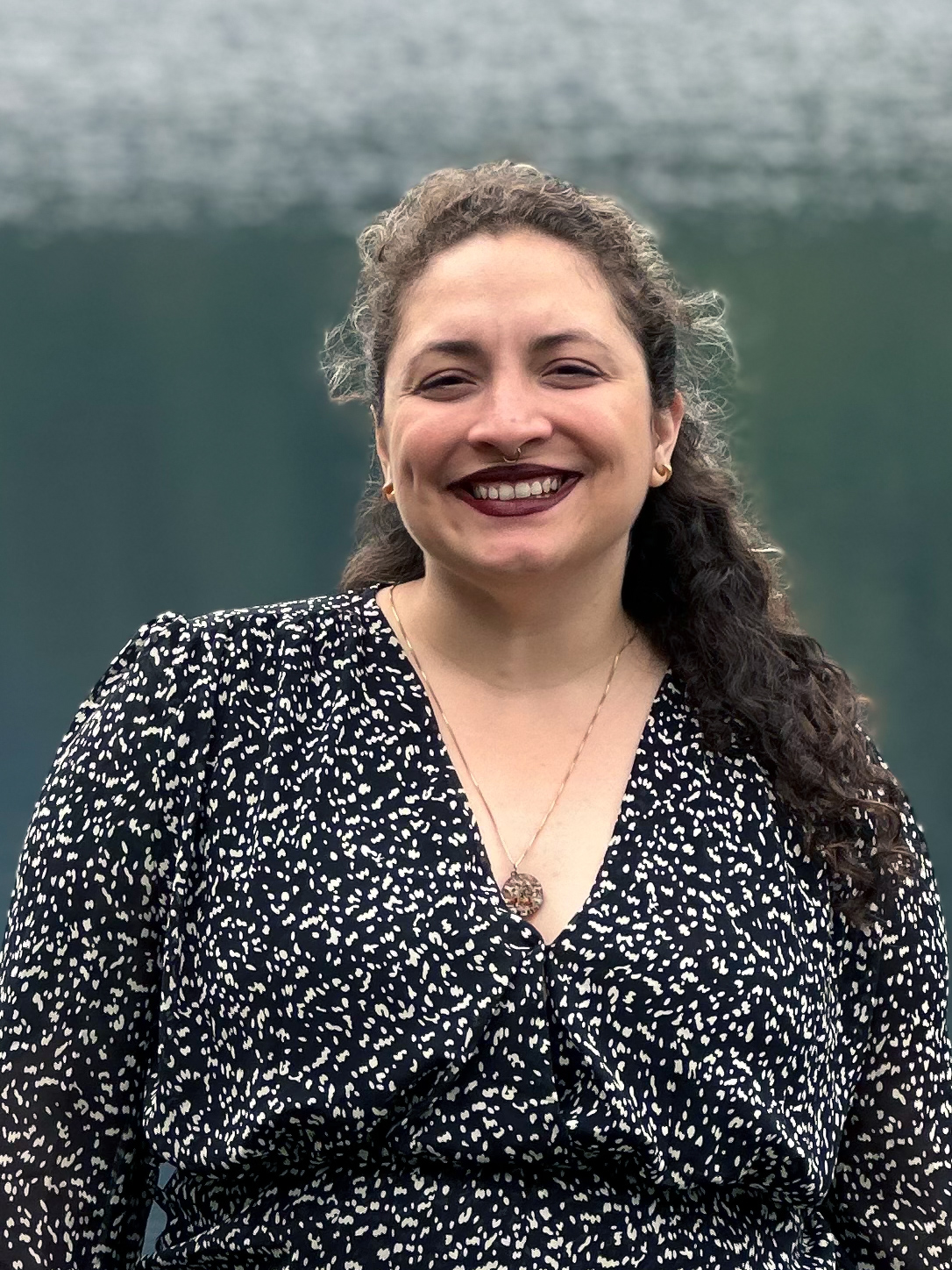
Every research project is powered by people whose unique experiences shape the questions they ask and the solutions they seek. Today we would like to introduce Fernanda, or like most people who know her, Fern. She is a PhD researcher at Trinity College Dublin whose work is helping us better understand one of the most important aspects of conservation: people.  

Fern’s journey into pollinator research is anything but straightforward. Originally from Brazil, she began her academic career studying biology and genetics. Along the way, she explored a wide range of interests, from teaching and social sciences to photography, retail work, and running her own plant nursery business. It was through sharing her passion for plants, ecology, and biodiversity that she discovered the direction she wanted to pursue. 

That journey brought her to Ireland, where she got a Master’s in Biodiversity and Conservation at Trinity College Dublin before continuing to pursue a PhD. 

Understanding What Motivates Change 

At the heart of Fern’s PhD is a deceptively simple question: 

What motivates a farmer to adopt pollinator-friendly practices? 

The answer, she believes, requires understanding not only environmental factors, but also human behavior.  

“We need to understand people first. This is a decision-making process.”
Fernanda Azevedo

Her work examines the motivations, barriers, emotions, identities, and social influences that shape farmers’ decisions about biodiversity-friendly farming practices. Through surveys and interviews with farmers across Ireland, she is building a behavioral framework to identify what encourages or discourages the adoption of pollinator-friendly actions. 

The research highlights an important message: conservation initiatives are more likely to succeed when social science is integrated from the very beginning. 

“Our biggest environmental challenges stem from human activity,” Fern says. “If we don’t understand why people make the decisions they do, we won’t fully reverse biodiversity decline.” 

Learning from Farmers 

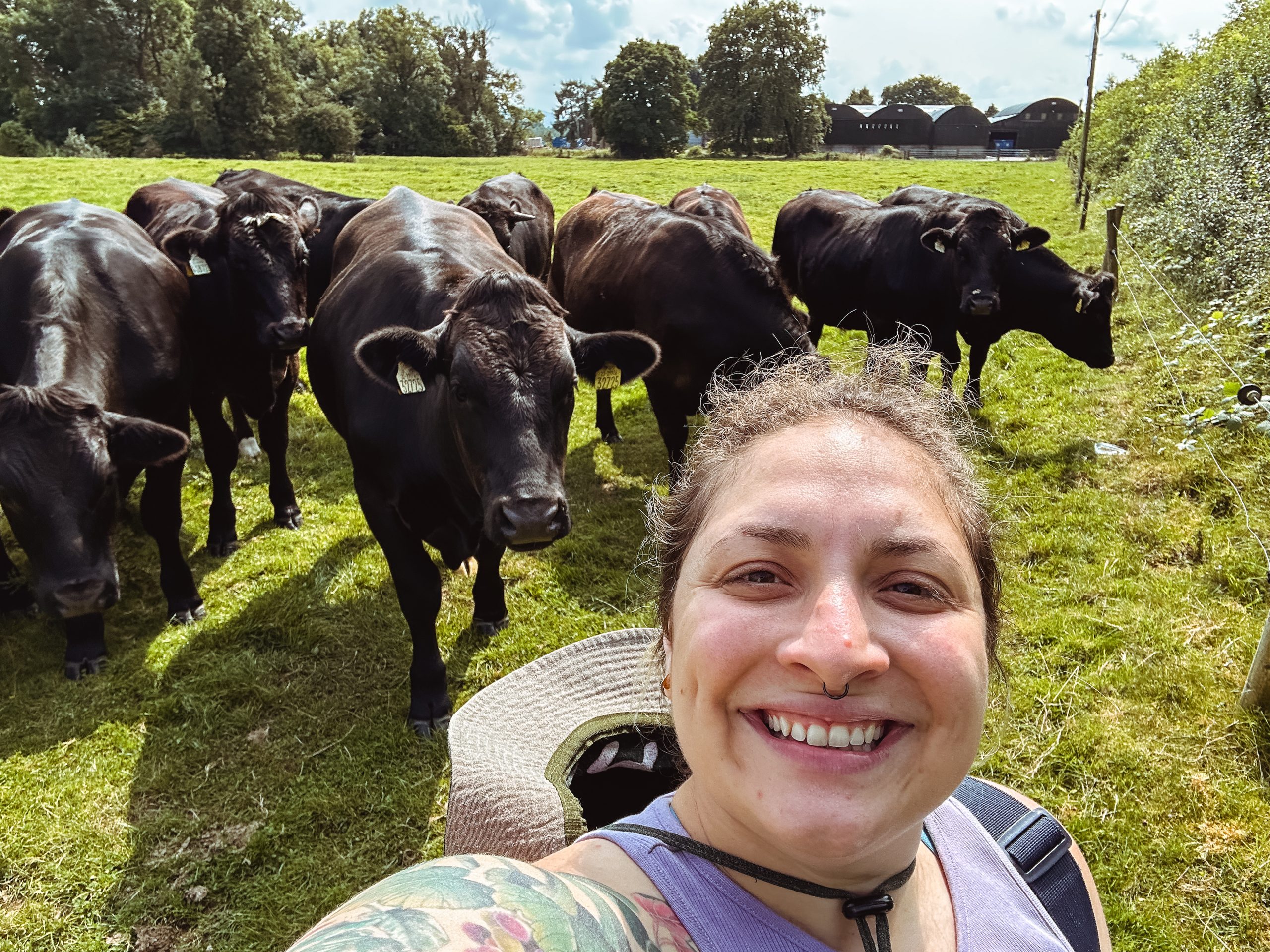
One of the most rewarding aspects of Fern’s work has been engaging directly with farmers. Coming from a different cultural background, Fern initially worried about navigating Ireland’s farming community. Instead, she found farmers to be welcoming, open, and eager to share their experiences. 

“They want to be part of the conversation,” she says. “They don’t want to be talked down to.” 

Early findings from her research suggest that many farmers see themselves as caretakers of the land and are motivated by a strong connection to nature. Farmer networks and peer-to-peer learning also play an important role, with many participants citing conversations with other farmers as a key source of support and inspiration. 

At the same time, concerns about financial risk remain a significant barrier. Many farmers worry that adopting new practices could affect productivity or income. Fern’s research aims to better understand these concerns and identify ways to support farmers in making biodiversity-friendly changes. 

A Growing Voice in the Research Community 

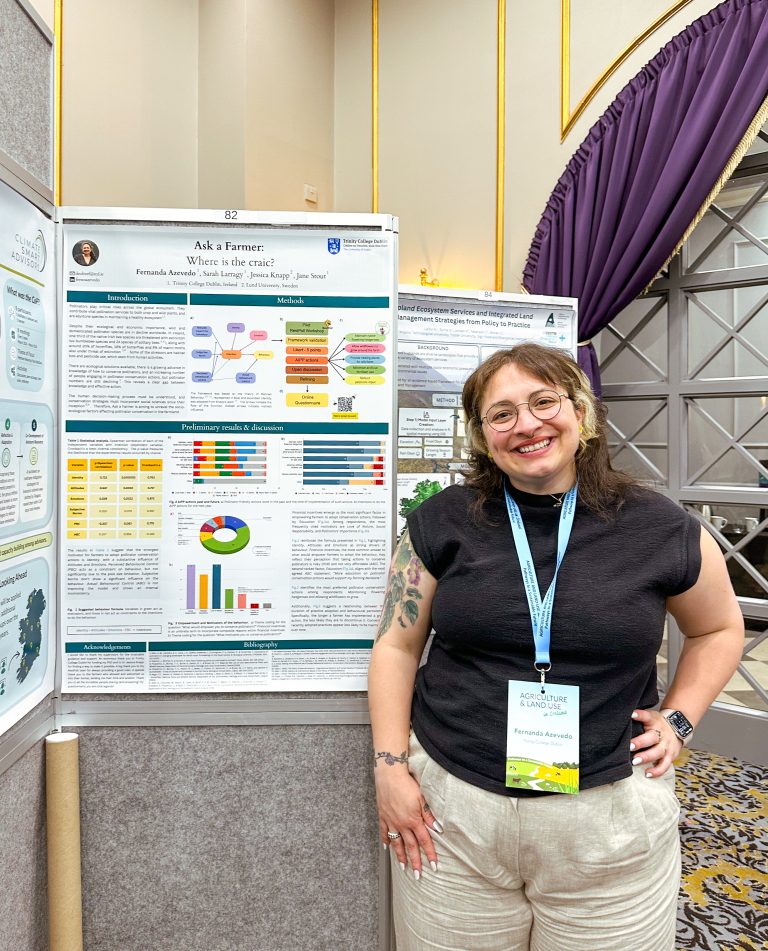
Earlier this year, Fern presented preliminary findings from her research at a national conference on agriculture and land use in Ireland where her poster received the conference poster prize (link). The experience reinforced the growing recognition that human behavior plays a critical role in tackling environmental challenges. 

Fern with her poster “Ask a Farmer: Where is the craic?” which she presented at the Agriculture and Land Use in Ireland: Pathways to a Sustainable Future Conference and won the Best Poster Presentation Award (Early Career Researcher) in the Behavioural Change theme. “Craic” is an expression in Ireland used to ask what’s up or what's new.
“It was exciting to see that people working on completely different issues were coming to the same conclusions.”
Fernanda Azevedo

Looking ahead, Fern plans to expand her survey work, conduct in-depth interviews with farmers across Ireland, and begin publishing her findings. 

What motivates her most is the opportunity to combine all the fields she loves—ecology, agriculture, and social science—into one project. 

Don't want to miss any news? Subscribe to the RestPoll newsletter to stay informed and discover other interesting projects.

RestPoll Newsletter