

Martin Hvarregaard Thorsøe

Claus Rasmussen

Jonna Løvlund Bach
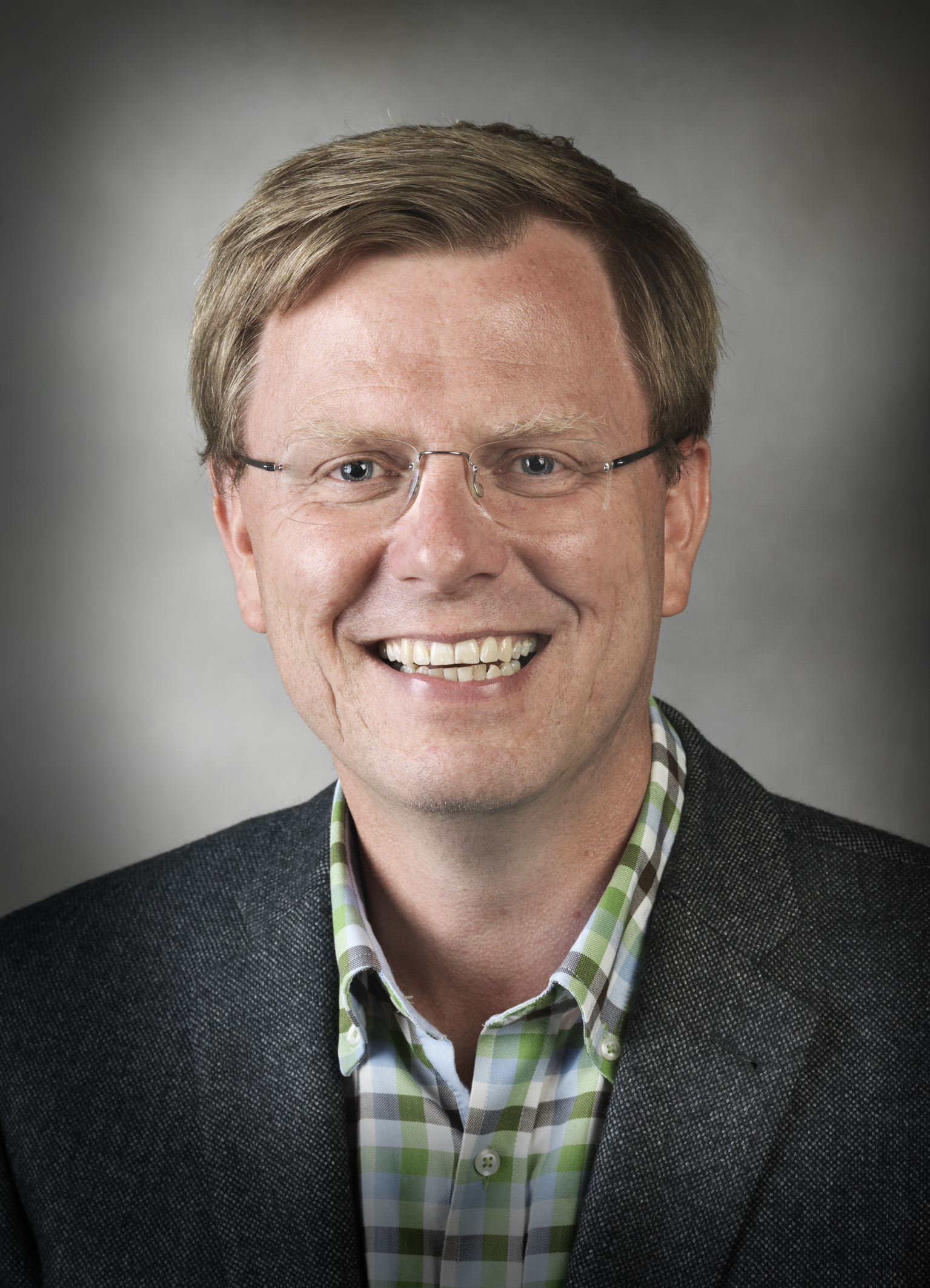
Tommy Dalgaard

Sean Birk Bek Craig

Alexandra Klein
RestPoll coordinator
alexandra.klein@nature.uni-freiburg.de
alexandra.klein@nature.uni-freiburg.de
Researchers at the Aarhus University are working on the small island of Møn which also forms part of the EU Life Orchids Project. The project’s goal is to improve habitat connectivity through converting arable land to pastures. Landowners, nature agency, the municipality, and researchers are involved in the restoration activities.
Within the Living Lab network, we are conducting an array of different activities at different levels. These include:
The center level contains activities that are conducted at the living labs but coordinated by RestPoll members (i.e. pollinator monitoring).
The second level contains activities that are conducted within the living lab with all stakeholders involved (i.e. workshop to discuss implementation of co-designed measures).
The third level are activities that are conducted within the living lab during demonstration events, including a larger audience (i.e. workshop on horizon scan).
The final level includes activities that involve the general public within the living lab vicinity (i.e. testing of feasibility of tools).
Restoration of semi-natural grassland, removal of fertilizers and pesticides, assisted spread of native seeds, adding stones, banks, and bull pits to the landscape
Extensive grasslands (pasture, livestock), forests
Semi-natural grassland habitats