
Ulrika Samnegård

Maj Rundlöf

Georg Andersson

Maria von Post

Richard Walters

Alexandra Klein
RestPoll coordinator
alexandra.klein@nature.uni-freiburg.de
alexandra.klein@nature.uni-freiburg.de
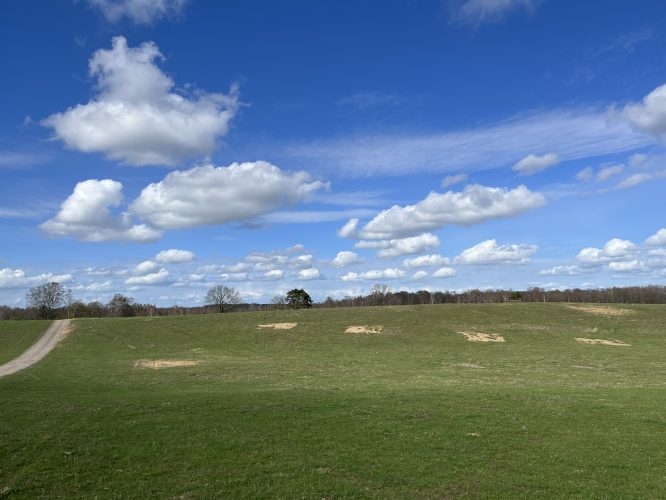
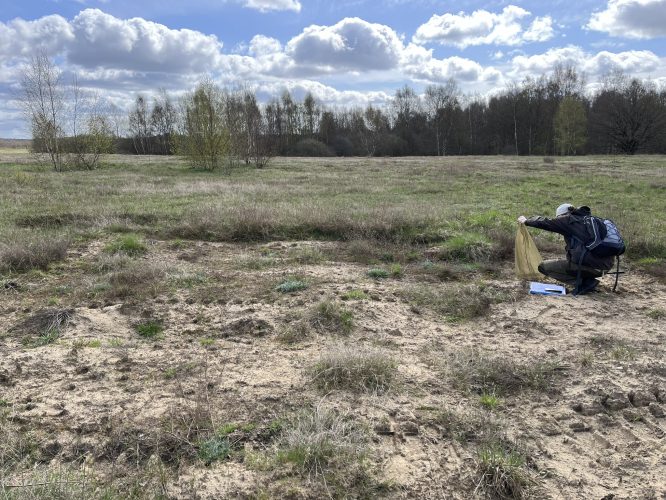
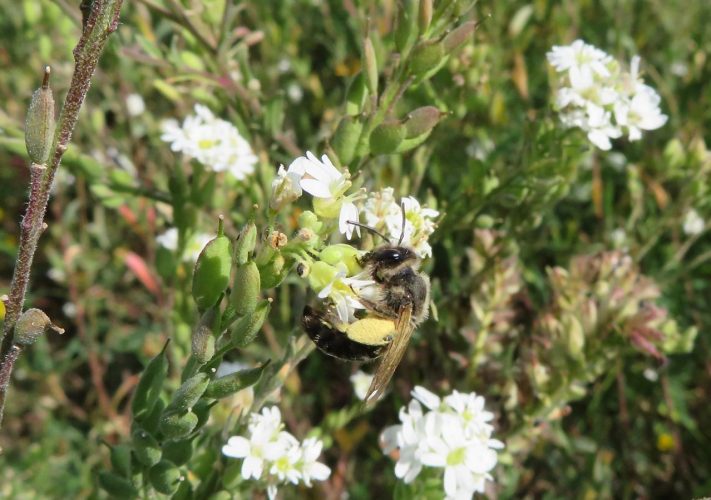
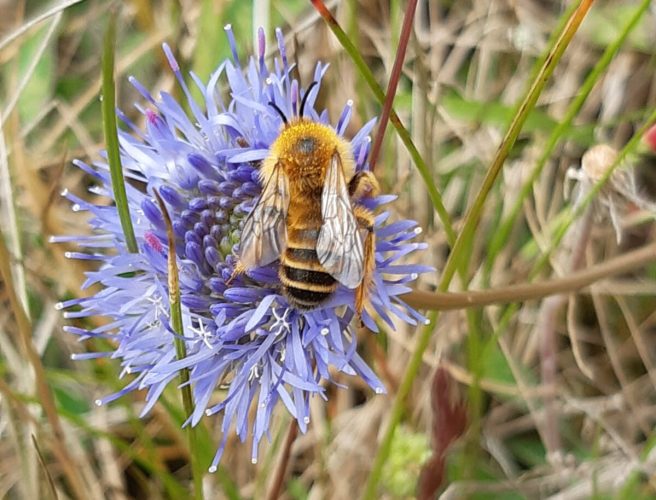
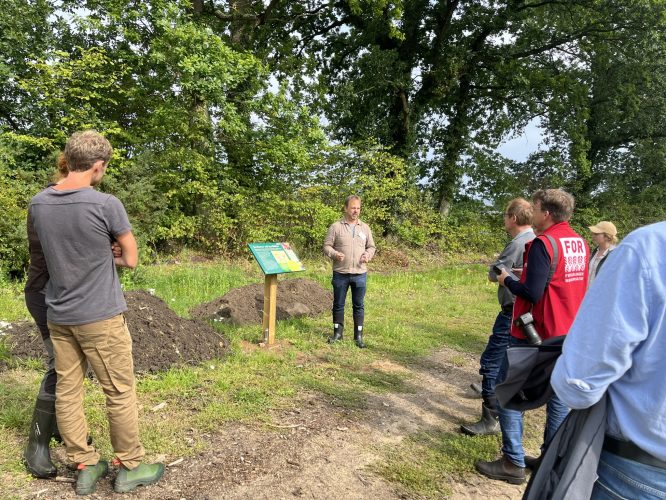
Researchers at Lund University are establishing a living lab within the southern tip of Sweden. The two case studies and related living lab focus on 1) grassland restoration for nationally rare and threatened ground-nesting solitary bees and 2) flower plantings on arable land for pollinators. The first is in collaboration with mainly the Swedish Environmental Protection Agency, the County Administrative board in Skåne and municipalities and coordinated with the Biodiversa+ project ENABLElocal. The second is in collaboration with farmers, farm advisors at the Swedish Agricultural Society and their campaign “All of Skåne/Sweden is blooming” and Kivik’s Musteri and their biodiversity parks. Stakeholders involved include local to national authorities, farmers, farm advisors, beekeepers, seed companies, researchers, and the media.
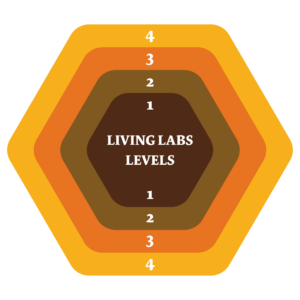
Within the Living Lab network, we are conducting an array of different activities at different levels. These include:
The center level contains activities that are conducted at the living labs but coordinated by RestPoll members (i.e. pollinator monitoring).
The second level contains activities that are conducted within the living lab with all stakeholders involved (i.e. workshop to discuss implementation of co-designed measures).
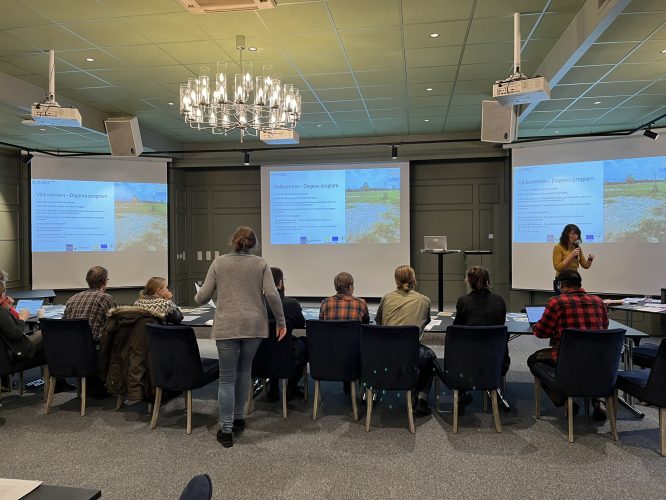
The third level are activities that are conducted within the living lab during demonstration events, including a larger audience (i.e. workshop on horizon scan).
The final level includes activities that involve the general public within the living lab vicinity (i.e. testing of feasibility of tools).
Digging/scraping to create bare sand and early successional stages (restoration 1), Flower plantings part of the “All of Skåne is flowering” campaign (restoration 2)
Arable crop (cereals, oilseed rape), ley, semi-natural grassland, apple orchards
Apple, oilseed rape